Image
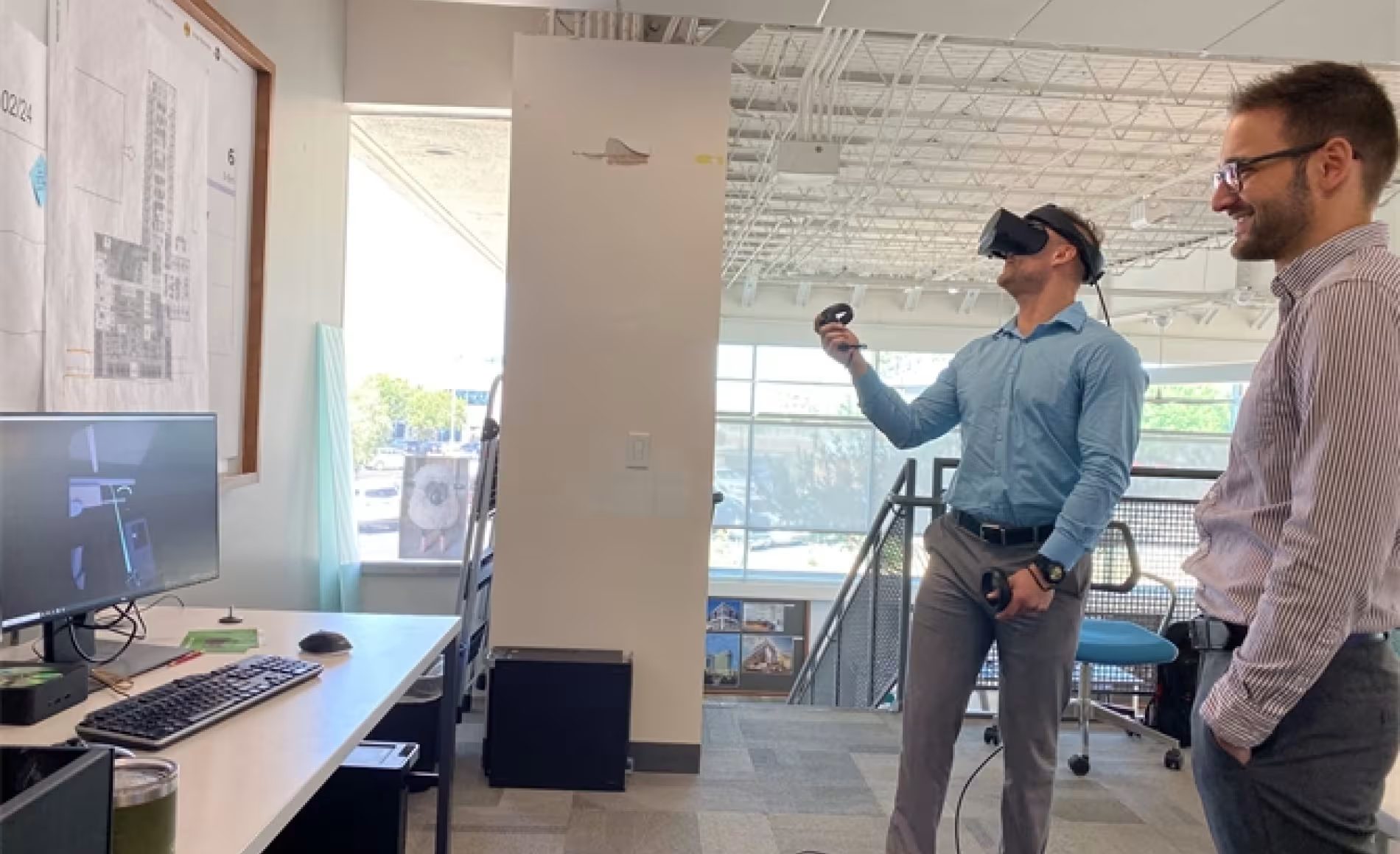

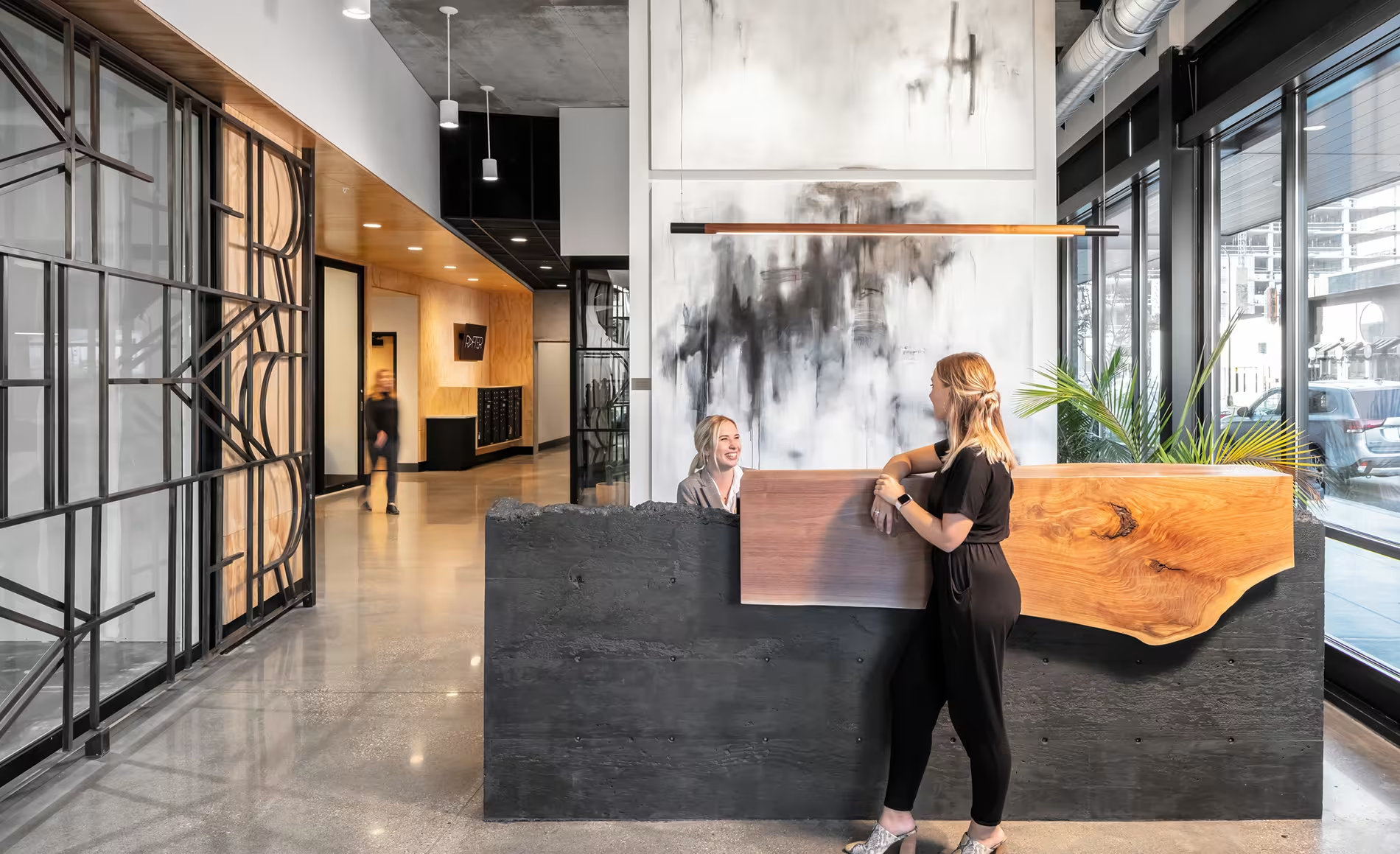
Bold ideas become buildable realities when grounded in the right evidence. Cuningham’s research-driven design process integrates diverse methodologies, gathering rich qualitative and quantitative data to help solve our clients’ most pressing real-world issues. From evaluating post-occupancy performance and tracking industry benchmarks to exploring emerging materials and methods, our research examines the forces reshaping the built environment, tests emerging ideas, and turns new knowledge into expertise you can build on.
Cuningham’s research practice is focused on answering questions that can help organizations:
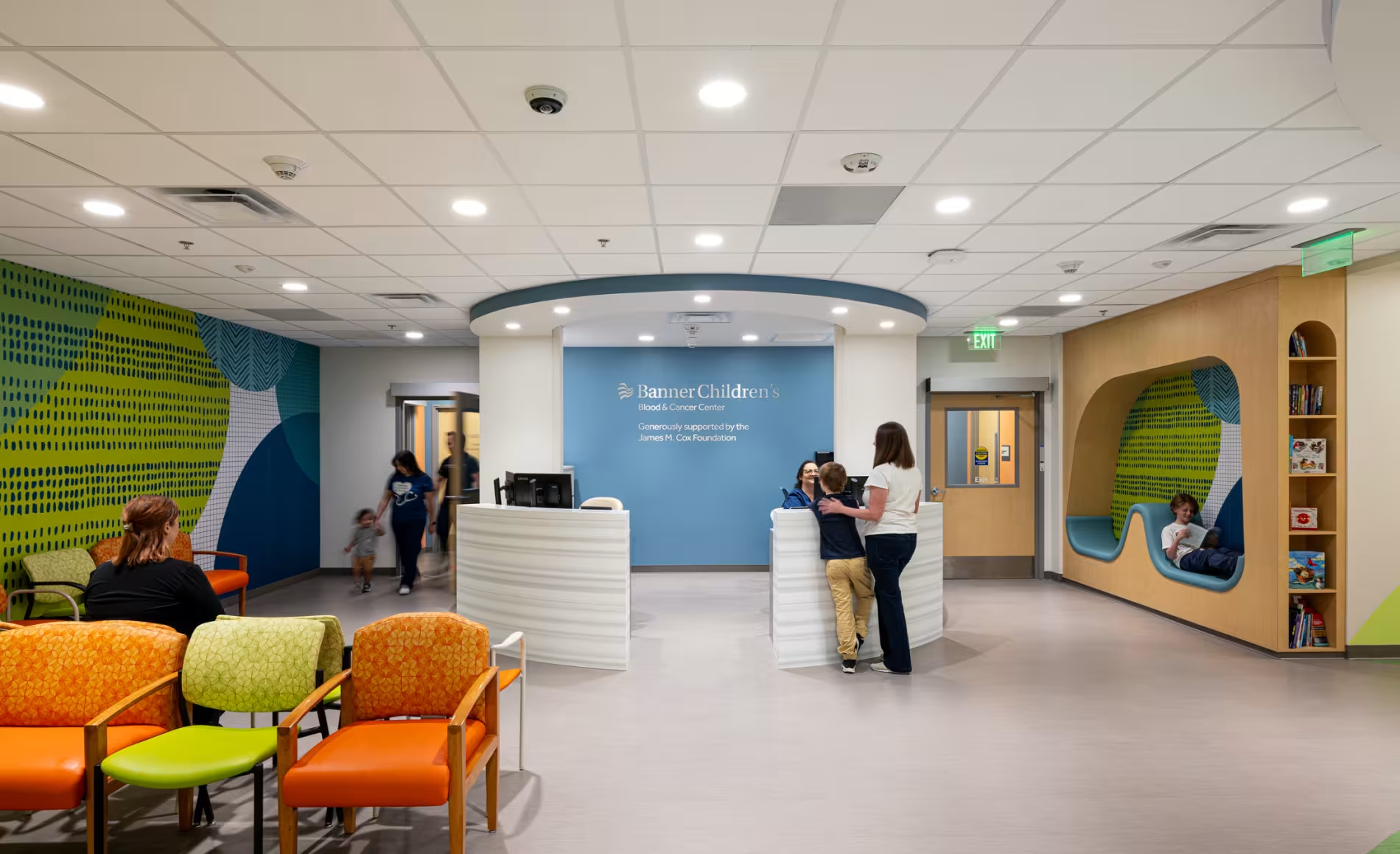
Understand Your Users and Their Experiences
User research, ethnographic observation, surveys, interviews, focus groups, and journey mapping help uncover users’ needs, behaviors, and expectations. These insights inform programming and design decisions while identifying opportunities to improve the experiences and outcomes that matter most.
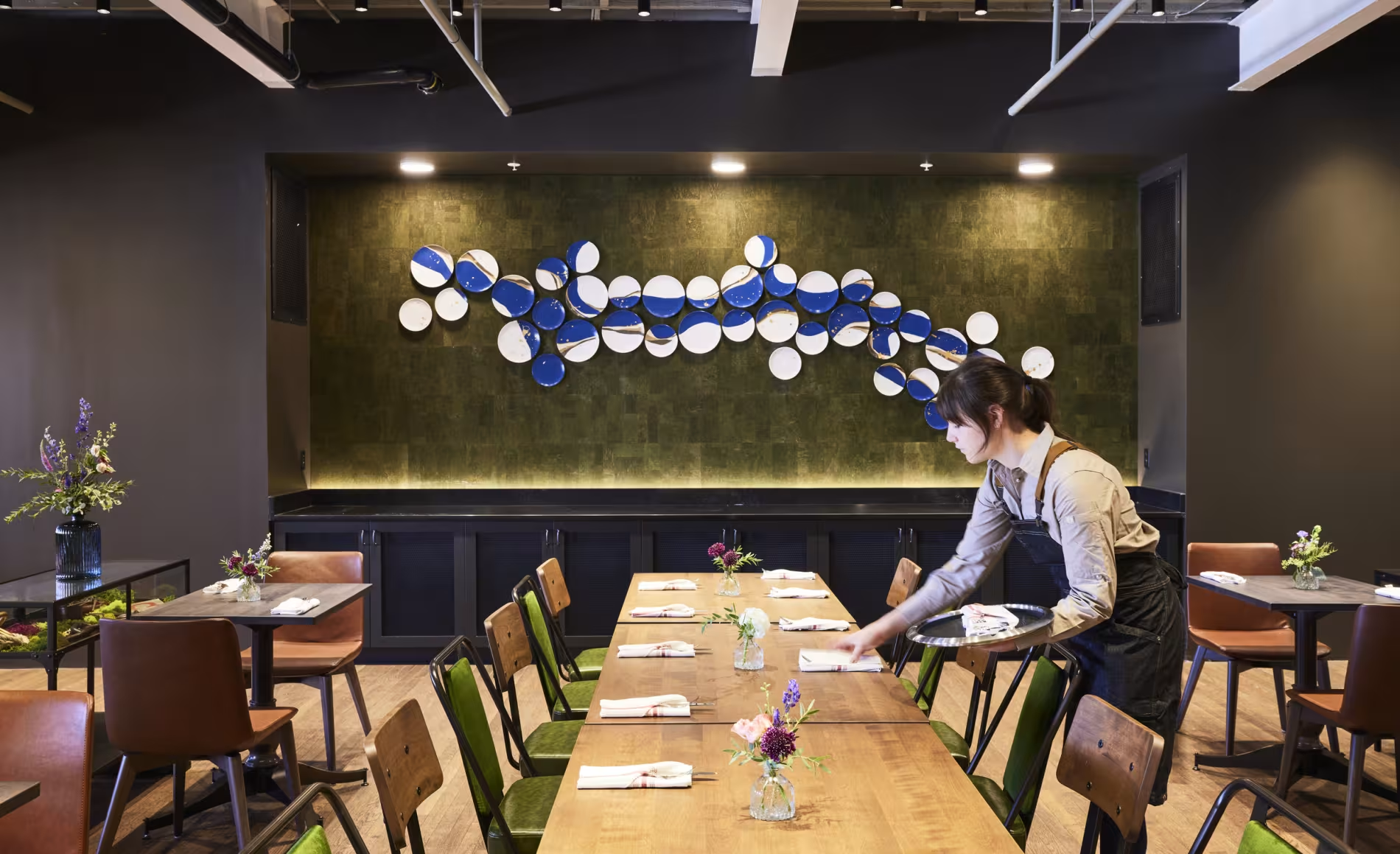
Understand Your Market and Identify Opportunities
Market and demand analysis, cultural foresight, semiotics, and competitive experience benchmarking reveal the forces shaping your organization. This context helps identify unmet needs, anticipate changes, and create meaningful differentiation.
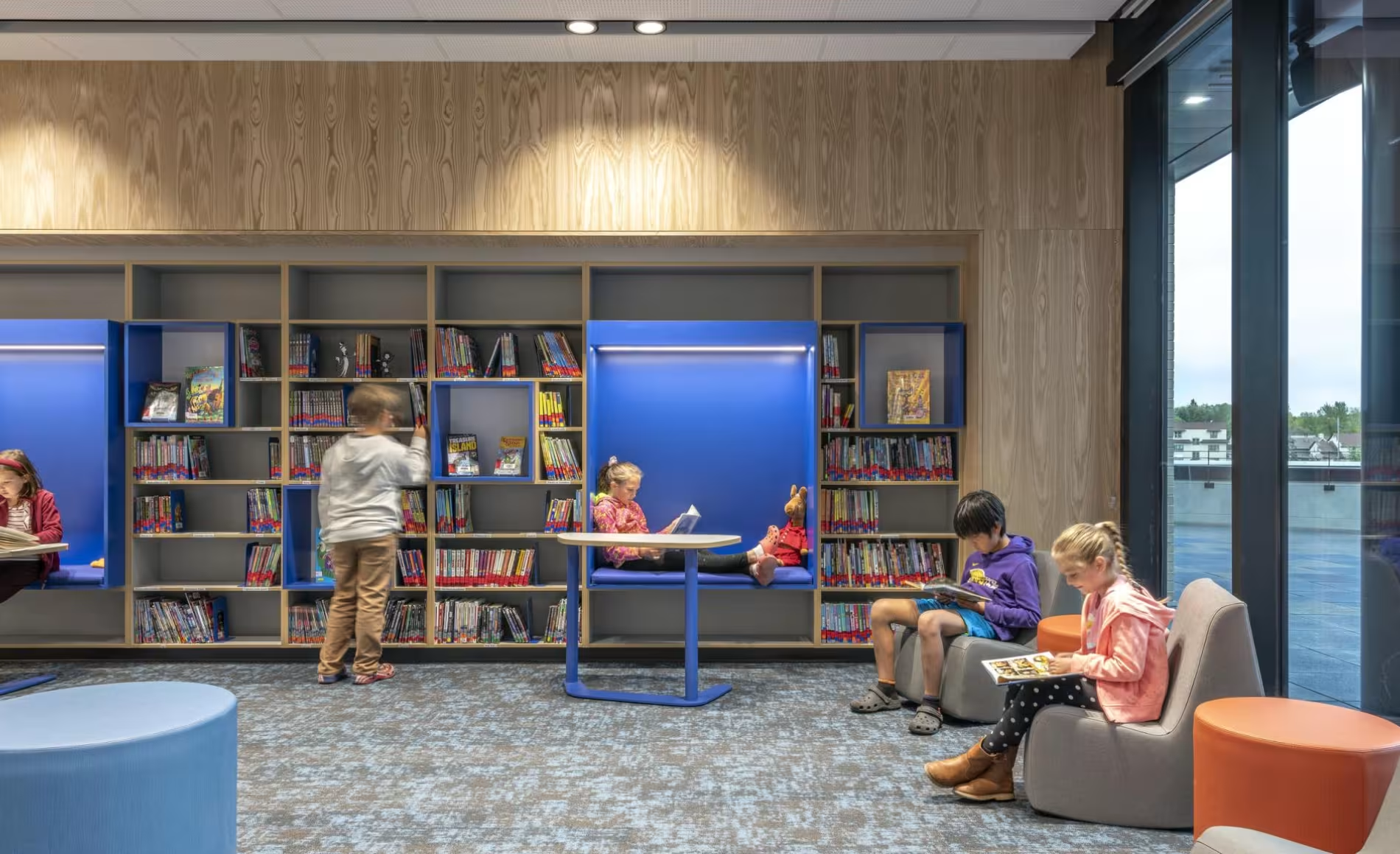
See How Your Space Performs
Behavior mapping, utilization studies, environmental monitoring, and pre- and post-occupancy evaluations show how environments are used and experienced. By comparing intended performance with observed results, we identify opportunities to improve current spaces and inform future investments.
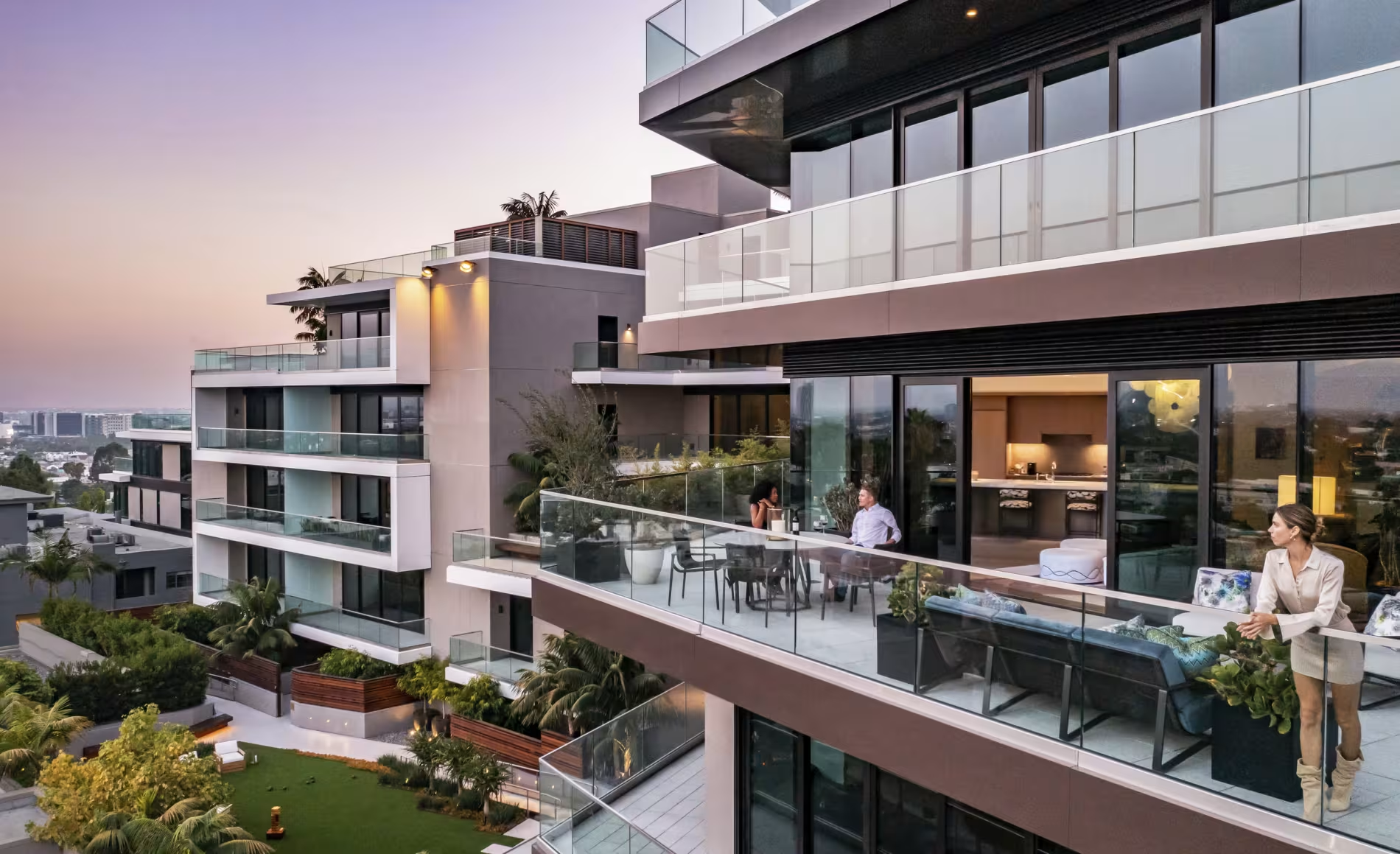
Explore Possibilities and Reduce Risk
Scenario testing, predictive insights, prototyping, and pilot studies allow teams to compare potential approaches before committing to full-scale implementation. Future-focused research also examines how changes in technology, demographics, culture, and behavior may affect environments over time.
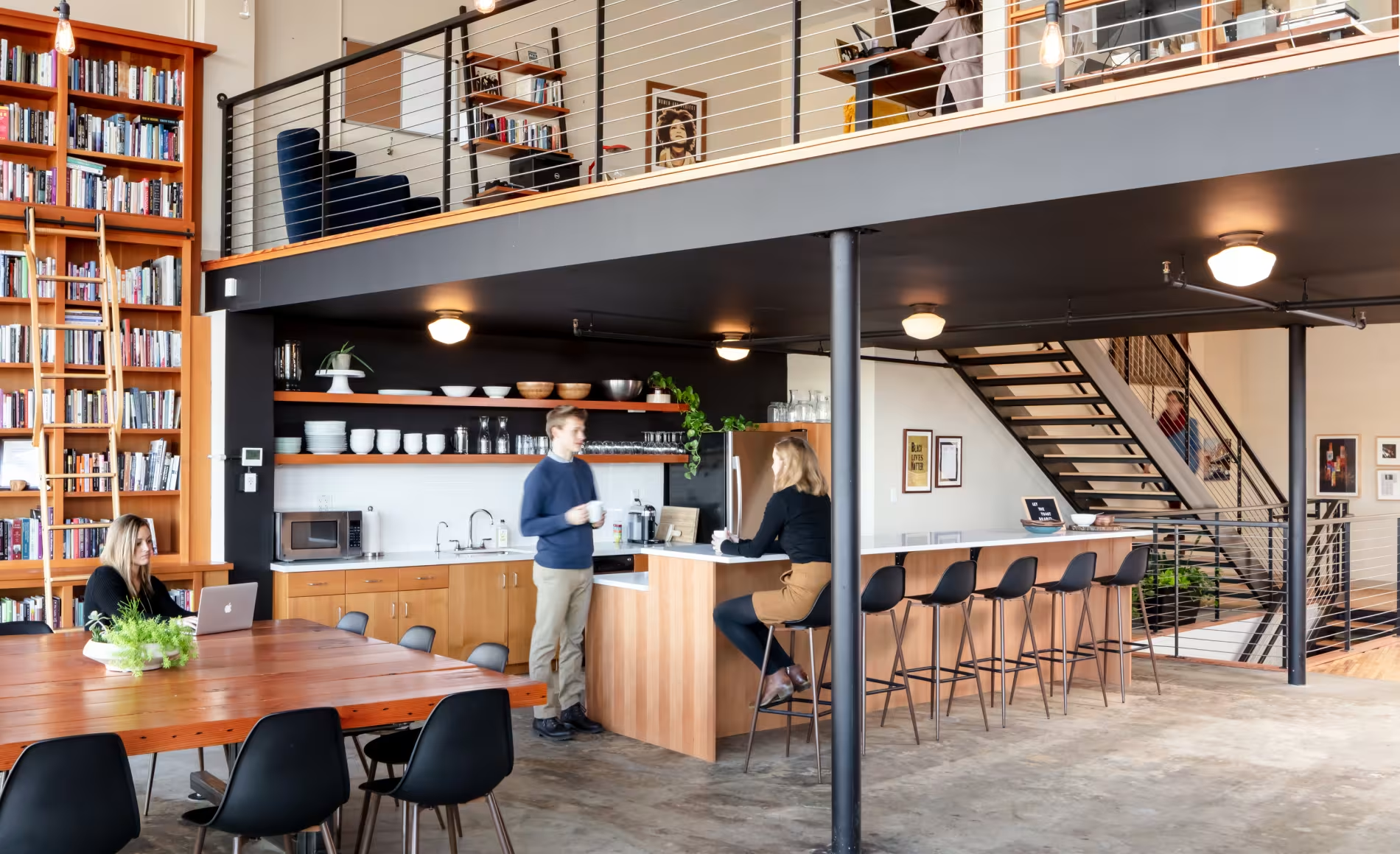
Turn Complex Information into Clear Direction
Data analysis, visualization, toolkits, and playbooks translate research into practical guidance. These tools help stakeholders understand the evidence, align around priorities, and move forward with confidence.
Organizations are being asked to make more consequential decisions about their buildings and environments with fewer resources, greater uncertainty, and rapidly changing expectations.
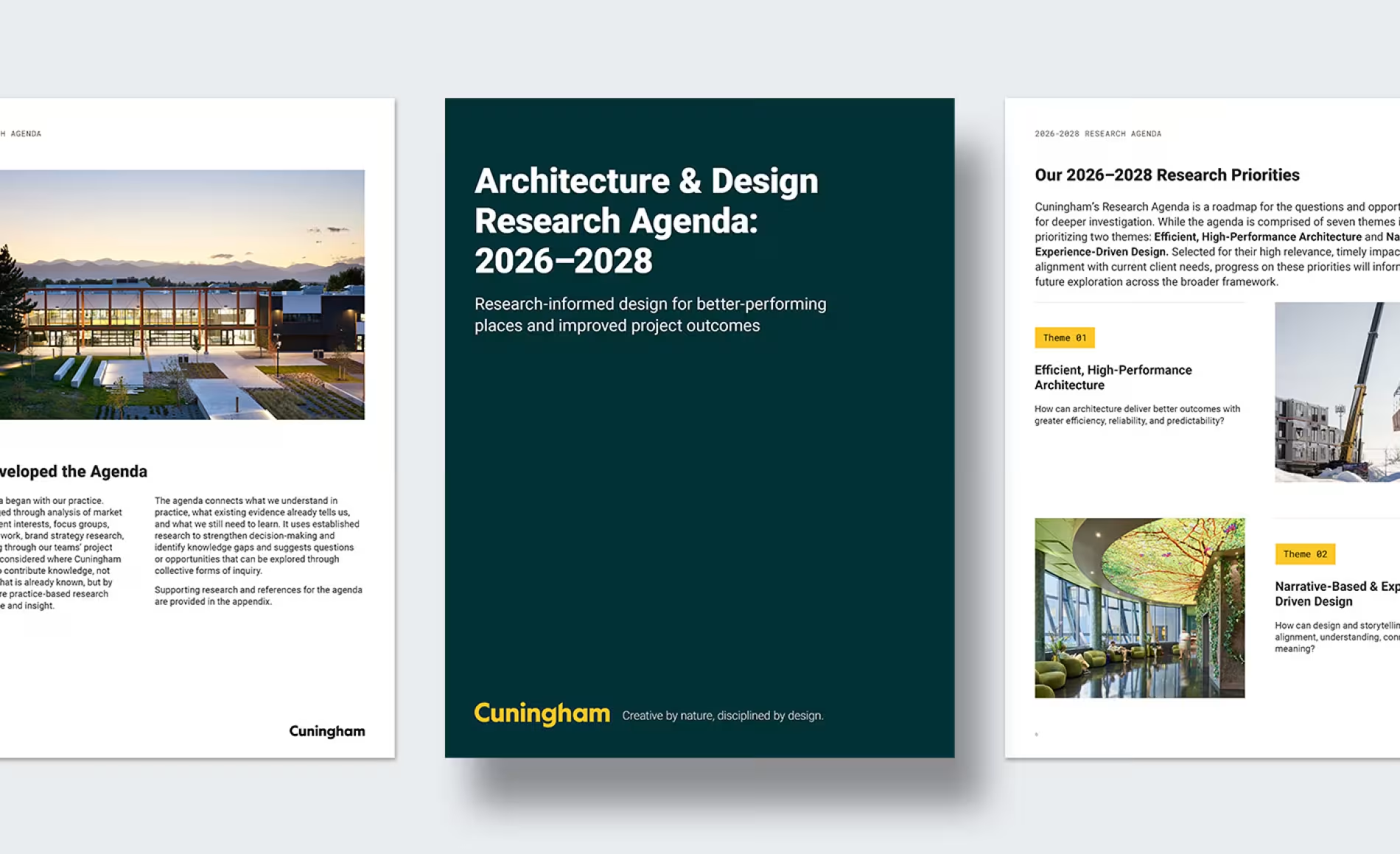
Our 2026–2028 Architecture & Design Research Agenda reflects our commitment to pair creativity with evidence. It focuses on asking meaningful questions, learning from our work, and applying those insights to create environments that are bold, beautiful, and buildable. The agenda identifies the areas where focused inquiry can deliver the greatest value for our clients, partners, and the broader design community.
Download the agenda to:
Helping organizations make more informed design decisions and creating places that perform better for the people who use them.