Image
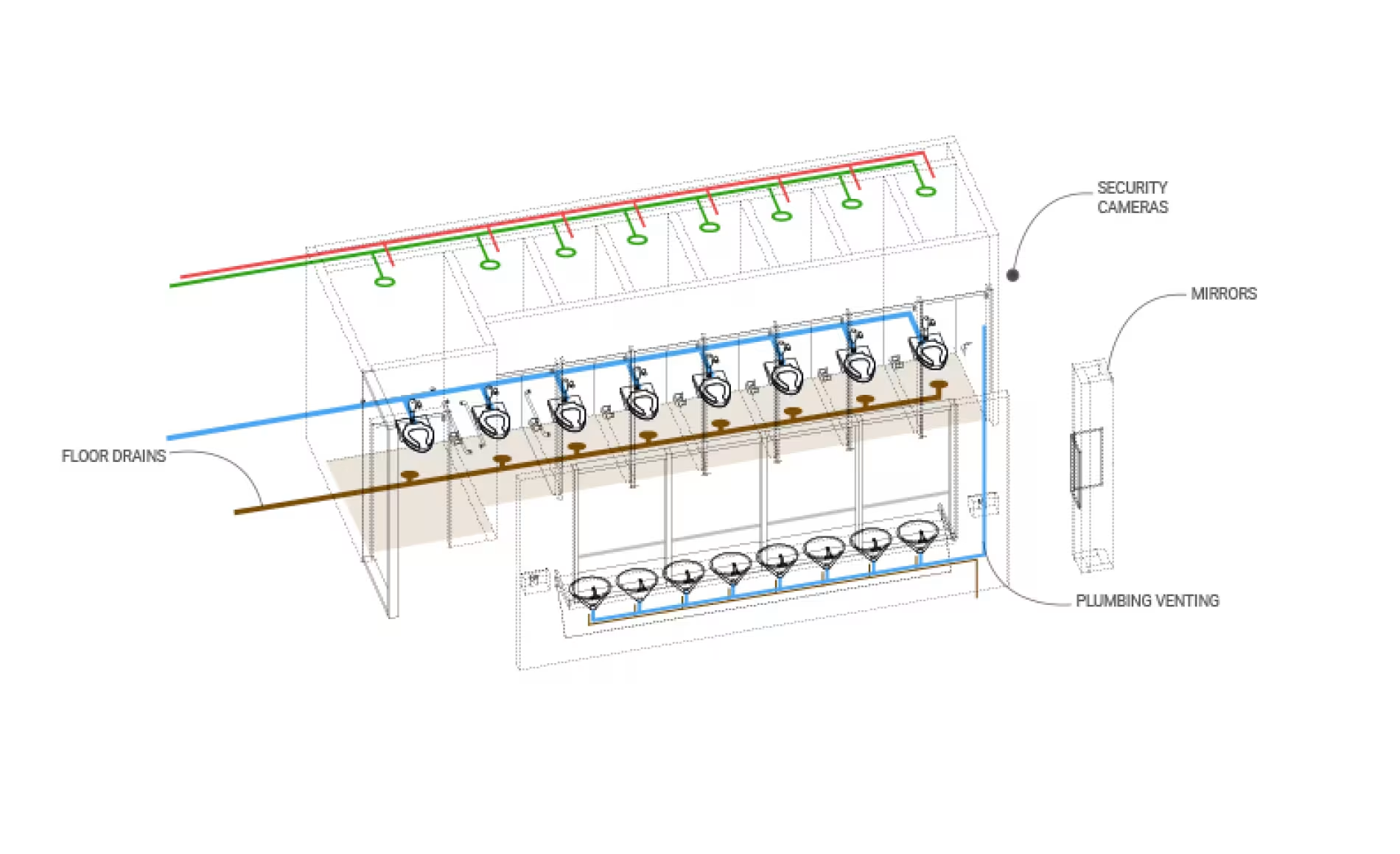

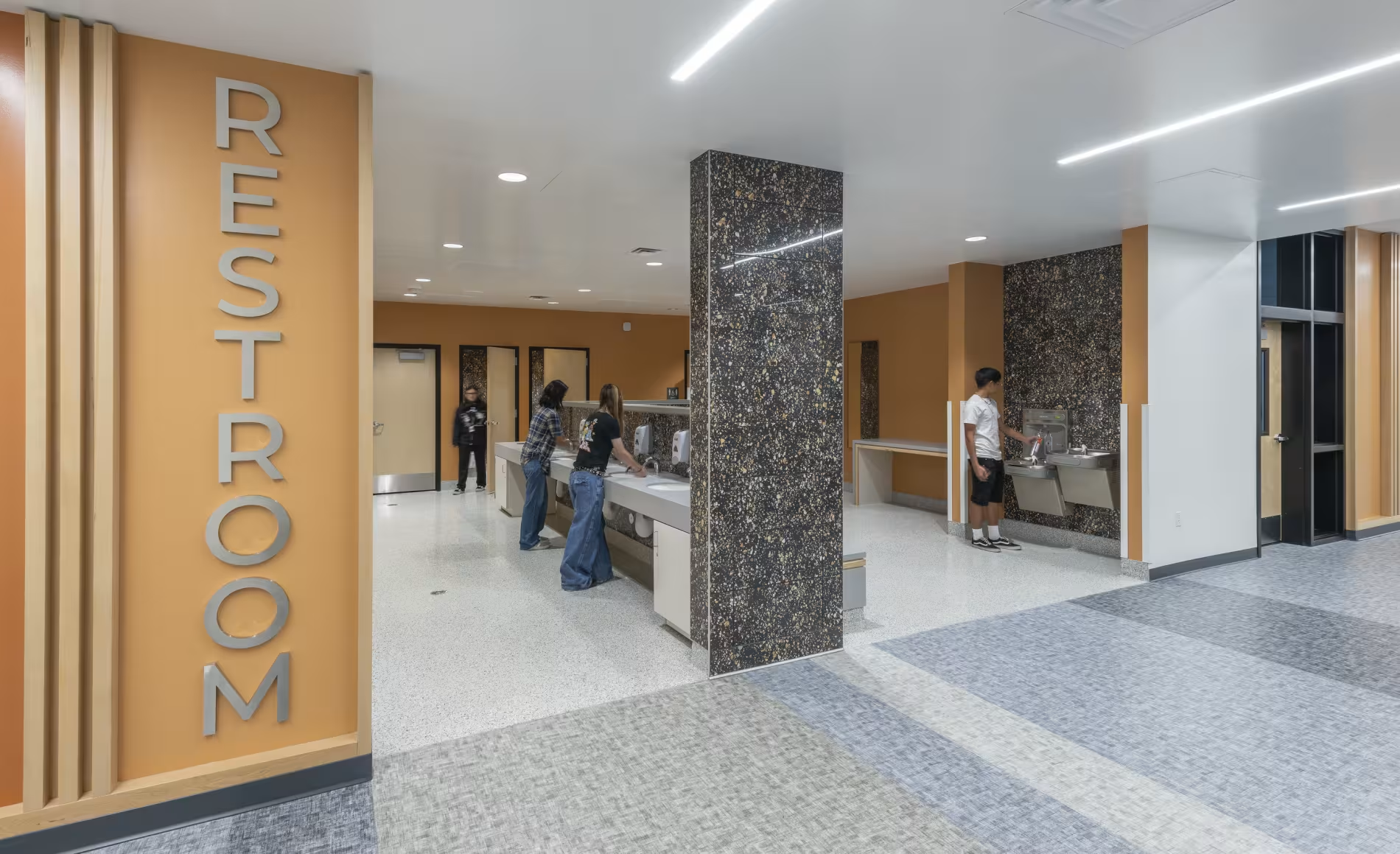
How can school restrooms help students feel safe and supported? Research with Saint Paul Public Schools explores how inclusive restroom design shapes students’ experiences of privacy, safety, and belonging, alongside its implications for school operations. Drawing on student surveys, community feedback, and maintenance data collected across several years, the data offers insights into what students value and how thoughtful design can support their daily lives.
Download the full research case study
Restrooms are part of every student’s day, yet their influence on safety and well-being is often overlooked. For schools, their design carries consequences that extend from students’ sense of privacy and belonging to the resources required to maintain facilities over time.
Cuningham’s ongoing work with Saint Paul Public Schools (SPPS) suggests that inclusive restrooms can support student well-being through privacy, autonomy, and choice, while addressing safety concerns and long-term operational demands.
Research overview
A 2018 study at SPPS’s Johnson High School provided an early look at students’ experiences: respondents reported feeling very safe in the inclusive restrooms. In 2024, eight years after initial implementation, SPPS conducted a district-wide safety evaluation that extended these findings. Bathrooms topped the list of locations where students felt unsafe. But restroom type mattered: 31% reported feeling unsafe or very unsafe in traditional, gender-segregated restrooms, compared with 12% in inclusive restrooms.
The operational findings were equally consequential. Inclusive restrooms generated 0.76 vandalism-related work orders per 100,000 square feet, compared with 7.16 for traditional restrooms. The district estimated inclusive restrooms had saved 700 hours of staff time over the study period.
In 2025, another study at SPPS’s American Indian Magnet School extended the inquiry to grades 6–8. Among the students surveyed, 71% reported feeling safe in inclusive restrooms, reinforcing the positive safety findings at the high school level and suggesting the inclusive restroom model performs positively in both middle and high school contexts.
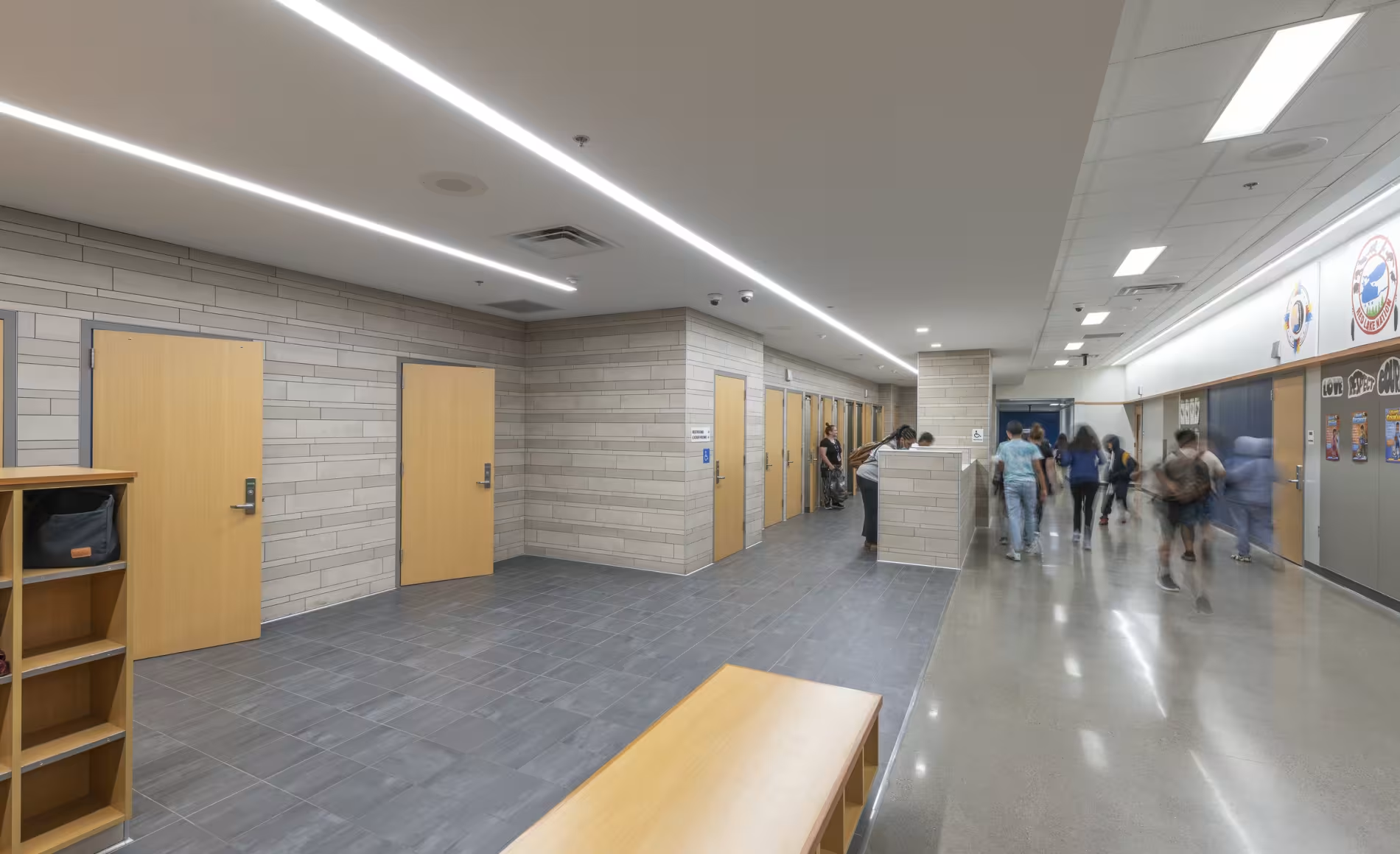
Understanding the results
These updated findings reframe restroom design as an educational and public health issue. Rather than a binary cultural debate, it positions the restroom within a broader ecosystem of student support.
For districts, policymakers, and design teams, the implications are clear: restroom environments are not neutral. They shape how students move through their day, how safe they feel in their bodies, and how much cognitive energy they expend navigating basic needs.
It is still time to rethink restrooms — not as peripheral facilities designed to satisfy code, but as daily infrastructure for student safety, health, and belonging.
Download the full research case study for student and operational findings, design strategies, code guidance, and real-world examples that help schools create restrooms supporting safety, dignity, and belonging.