Takeaways
For schools that have undergone multiple renovations and additions over the years, bringing natural light into every classroom and space often becomes a challenge. In these environments, introducing simulated daylight fixtures can make a notable difference in how a space feels and functions. These light fixtures can transform otherwise enclosed rooms, positively influencing how both students and staff feel and engage throughout the school day.
Image
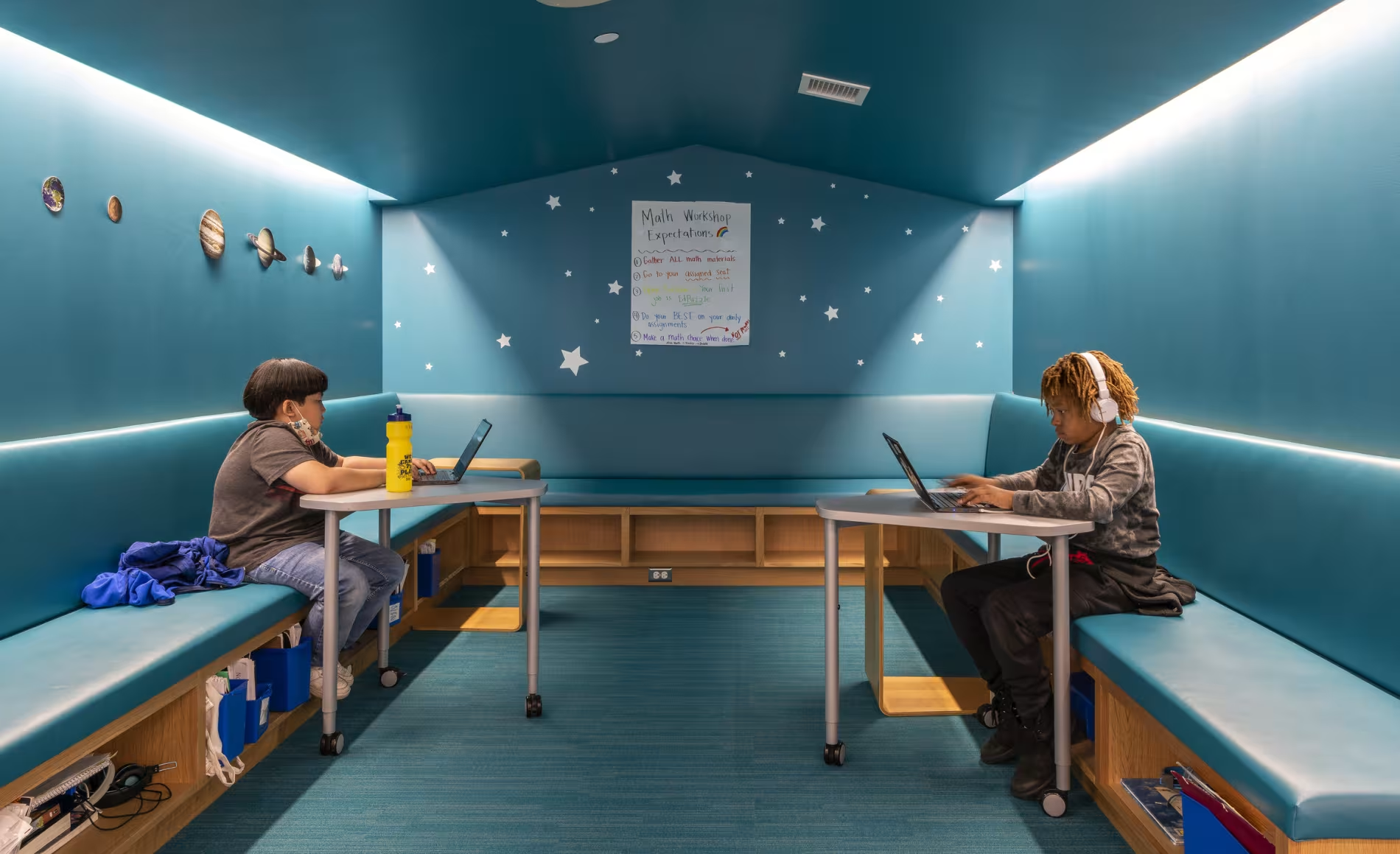
From Windowless to Restorative: Evaluating Daylight-Mimicking Fixtures in a Special Education Learning Environment
Amy Frye, Associate Principal
John Vande Castle, Senior Associate
Jenny Vande Castle
A windowless classroom, a simple lighting fix, and a closer look at how light shapes the way students feel, focus, and learn.
Overview
This study explores how a simple lighting modification to the physical environment may affect patterns in behavior, mood, engagement, and teaching or learning performance.
Context
The impetus for this case study originated in a special education classroom serving students who require behavioral support. The classroom, within an existing middle school, lacked any access to natural daylight or views to the outdoors. The absence of windows presented a design challenge familiar in many educational settings, where natural light has been associated with emotional regulation, learning outcomes, and overall well-being.
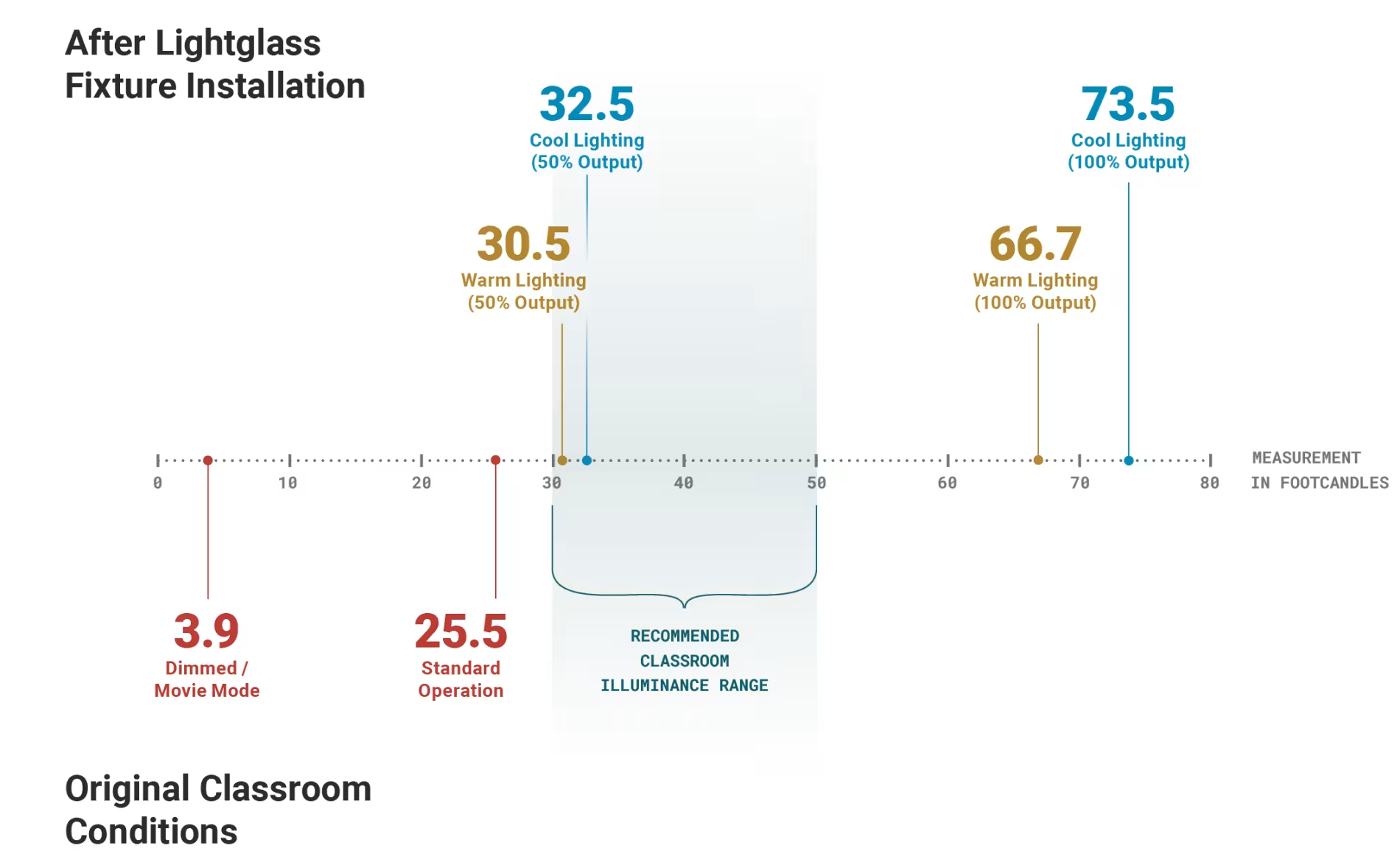
Following discussions with architectural lighting specialists, three simulated daylight fixtures generously donated by the manufacturer Lightglass were introduced into the classroom. Designed to replicate the appearance and qualities of real windows, their installation was part of a pilot collaboration to examine how daylight-mimicking lighting might influence perceptions of space, mood, and behavior in windowless learning environments.
Methods
A mixed-methods approach was used to examine the impact of classroom lighting on teaching and learning environments which included an existing conditions analysis conducted to assess the current lighting infrastructure, including the types, age, and characteristics of fixtures present. Additionally, a student reflection survey was administered to gather direct input from learners regarding their experiences with lighting-related effects on comfort, concentration, alertness, and overall well-being during a typical school day.
Image
Results
The teacher indicated that both she and her students seem more upbeat and energized in this brighter, “sunny” environment, and she intentionally adjusts the brightness and color tone throughout the day to support emotional regulation, especially for students who often arrive with significant behavioral and mental health challenges.
Whereas students’ opinions on the existing classroom lighting comfort were mixed (about one-third strongly agreed it was very comfortable, another third agreed it was comfortable, while the remaining third either disagreed or strongly disagreed), in contrast, after installation of the simulated daylight fixtures, the majority (80%) agreed the lighting was comfortable, and only 20% disagreed.
Image