Technology, Tradition & Transformation: Five Digital Era Considerations for Tribal Resorts
Brett Ewing, AIA, NCARB
Elena Gonova, NCIDQ, RID, LEED AP ID+C
The gaming industry is navigating significant pressure. Among its many current challenges are shifting demographics, the continued rise of online gaming, and a generational preference for experiences over possessions.
At the same time, technological advancement continues accelerating. Cashless systems, mobile platforms, robotics, AI, and digital interfaces are redefining how guests interact with resort environments. For owners, these innovations demand thoughtful planning and operational agility.
For tribal casino resorts specifically, this moment is also a powerful opportunity to honor and amplify cultural heritage through storytelling and connection to place. By strengthening identity through elevating the guest journey, emerging technologies can support flexible, seamless environments that drive stronger brand differentiation, higher guest satisfaction, and long-term resilience.
In the run up to the 2026 Western Indian Gaming Conference, we’ve been reflecting on what tribal resort owners and operators should be thinking about right now. Here are five considerations we believe will shape the next era of tribal resort development.
1. How should the arrival experience evolve?
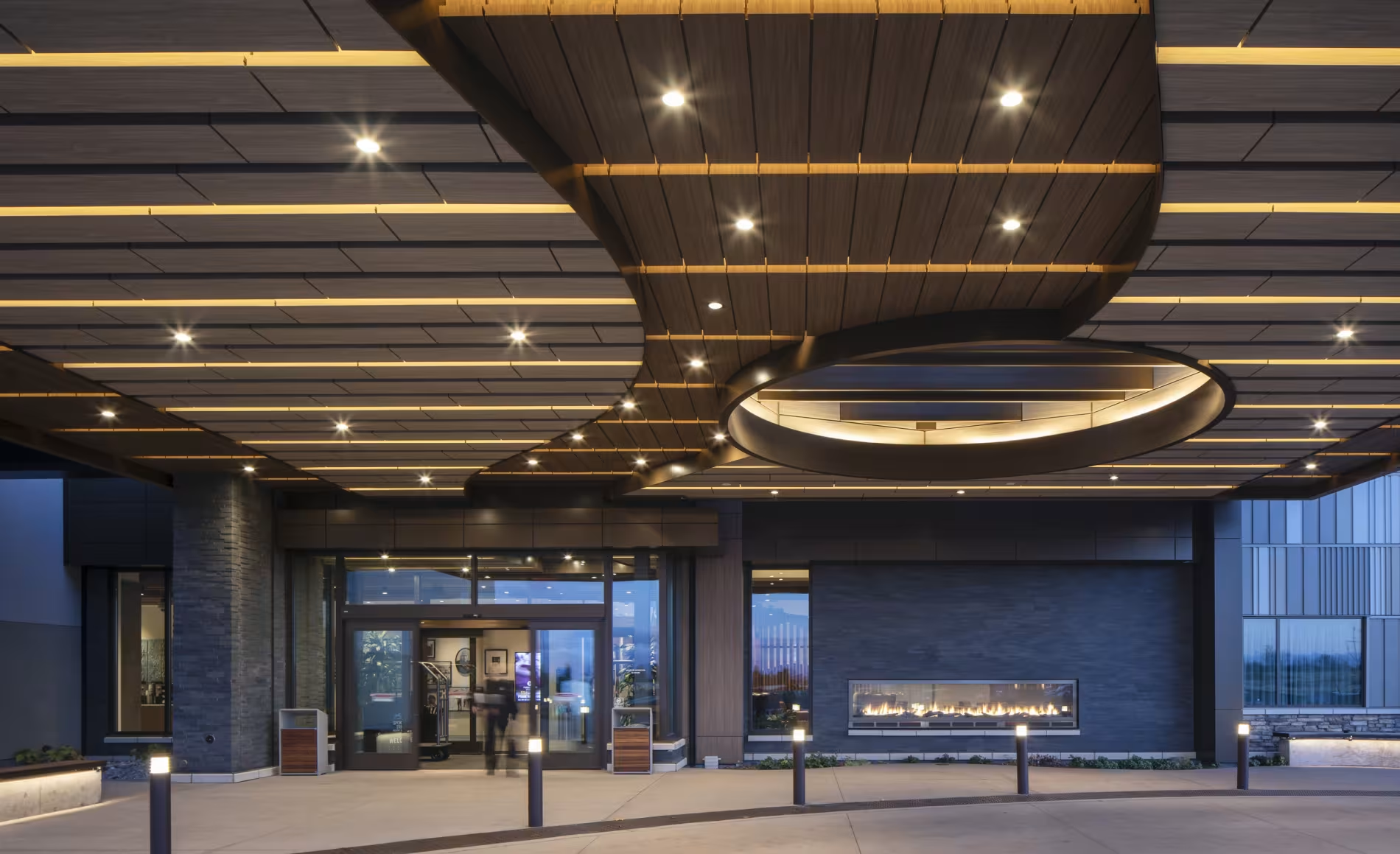
Parking and check-in are becoming increasingly automated. Arrival is about to become faster, more seamless, and more flexible—if resorts plan for it.
Brett: Today, the typical arrival involves navigating a concrete parking structure, hunting for a spot, and a long walk (often with luggage) to the lobby. However, as autonomous vehicles and self check-in become more mainstream, this traditional sequence will continue to compress. That has major implications for curbside planning and the size and purpose of lobby spaces. Resorts can start reclaiming high-value land currently tied up in parking and circulation. Proactive owners should be working with designers to consider how that land can be repurposed for future revenue generating space, such as villas, pools, entertainment venues, cultural centers, or expanded gaming amenities.
Elena: Arrival is also an emotional moment. It sets the tone for everything that follows. If technology makes arrival faster, that doesn’t mean it should feel transactional. Long lines and crowded lobbies should be replaced with spaces that feel intentional, welcoming, and culturally grounded. When guests aren’t focused on logistics, they immediately connect with atmosphere. So an increased burden is put on designers and owners to consider how a resort’s brand identity is being presented and experienced from the outset of a guest’s journey.
2. How can resorts make transactional space into experiential space?
As kiosks and mobile systems remove bottlenecks, operators can reprogram square footage into something more valuable.
Brett: Current technology trends like kiosks, mobile ordering, digital check-in, and cashless payment systems reduce queueing, which in turn, reduces the need for oversized service counters, backlogged circulation zones, and wasted lobby square footage. Similar to what we’re seeing with arrival sequences, this creates an opportunity to reallocate space toward more revenue-producing areas or guest experience drivers. Owners are investing in these systems; designers must respond accordingly with strategically considered layouts that improve flow, reduce staffing stress, and support long-term flexibility.
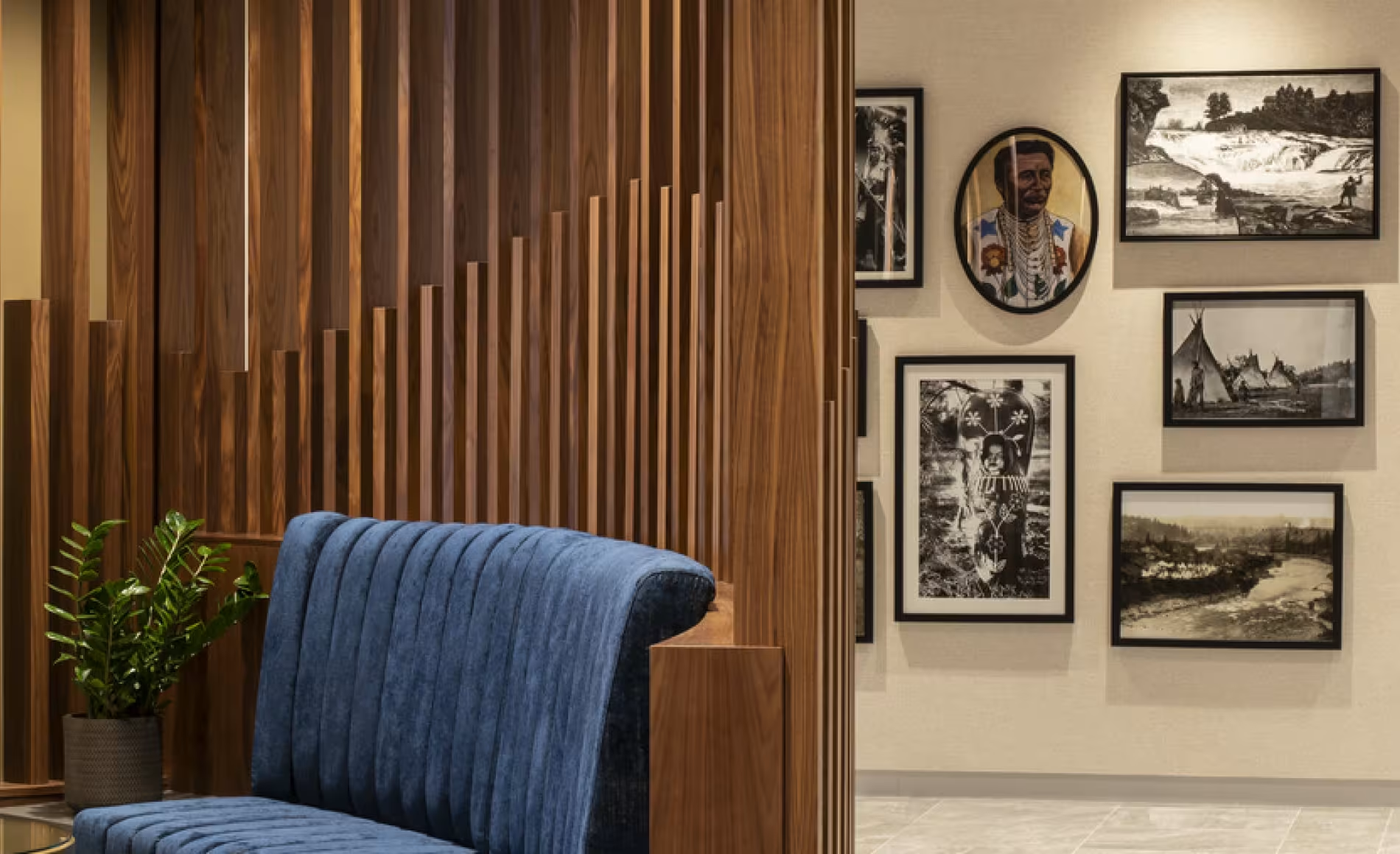
Elena: The new generation of players is increasingly valuing and investing in experiences rather than physical objects or possessions, driving demand for more meaningful, interactive, and memorable spaces. From a design standpoint, some of the most memorable resort experiences happen in what we call “in-between” spaces—moments where guests pause, gather, and explore.
Freed-up space can become an art moment, an informal lounge, or a cultural storytelling zone. Resorts should strive to create moments guests photograph, remember, and share. The goal, simply put: foster the kind of emotional engagement that keeps guests on property longer—and coming back more often.
3. How do you design for constant change when software evolves faster than buildings?
Future-ready resorts are built on adaptable infrastructure, not fixed assumptions.
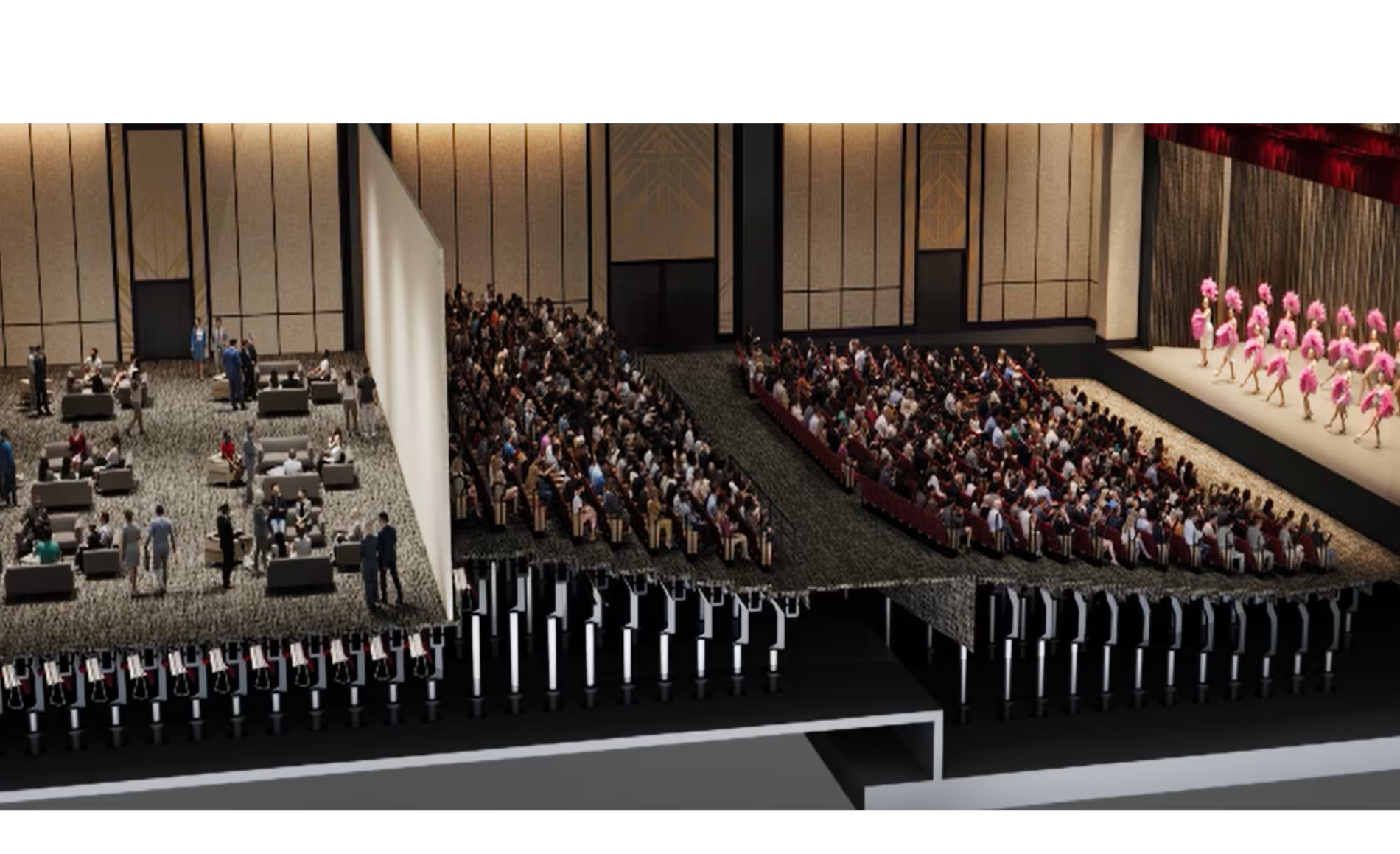
Brett: Resorts can’t afford to renovate every time a new trending technology emerges. That’s why flexibility needs to be built into the bones of the facility—power, data, ceiling access, structural capacity, modular walls, and adaptable planning zones. It’s easier to update software than to tear down walls, and that should guide early planning decisions. Owners who treat technology as a long-term utility will be positioned to evolve with minimal disruption. This is especially important in gaming and hospitality, where downtime has a direct revenue impact.
Elena: Flexibility is also a design challenge. Regardless of the current technology trends, guests still want spaces that feel cohesive, luxurious, and intentional. That means we should be designing environments with adaptable layers—lighting systems that can be reprogrammed, furnishings that can shift with new uses, and interiors that support both high-energy and calm experiences. Flexibility doesn’t have to look temporary. It can look elevated. When design anticipates change, the resort stays fresh without losing its identity.
4. How do you balance high-tech immersion with the growing demand for digital detox?
As technology and connectivity increases, disconnect becomes a premium experience.
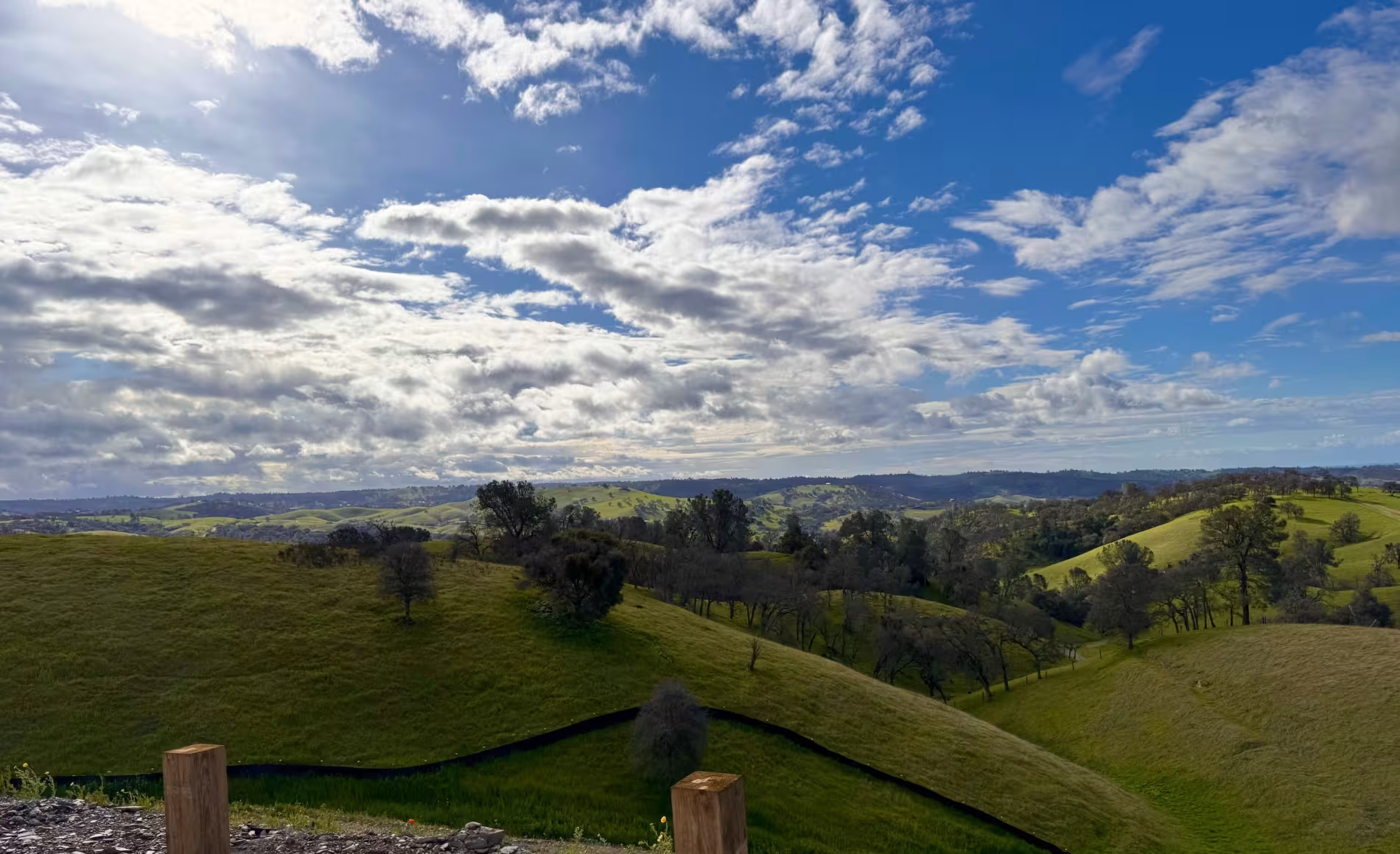
Elena: The demand for wellness, calm, and nature-forward environments is only growing. Tribal resorts are uniquely positioned to lead here, because many have a strong connection to land and cultural heritage. Fire pits, outdoor trails, star-viewing decks, water features, and quiet lounges can become defining amenities in the digital era. Owners shouldn’t think of these as “add-ons.” Rather, they’re strategic experiences that reset guests emotionally and make the rest of the resort more enjoyable. Designing for disconnect is a design advantage, and it’s a brand differentiator that both young and old generations are actively seeking.
Brett: Operators are understandably excited about automation and immersive systems, but oversaturation is a real risk. More screens don’t automatically create a better guest experience. Resorts should be asking where technology adds measurable value—and where it adds noise. Robotics, self-service, and digital tools should improve flow, reduce friction, and enhance operational performance. That allows staff to focus on higher-value human interaction that gives the brand experiential staying power. The best future resorts will be the ones where tech is doing its job quietly in the background, supporting an experience that still feels human. Consideration may even be given to digital-free zones, where technology is intentionally absent.
5. How can technology support tribal storytelling without overwhelming the guest experience?
Immersive digital tools can deepen cultural connection when they’re integrated with restraint and purpose.
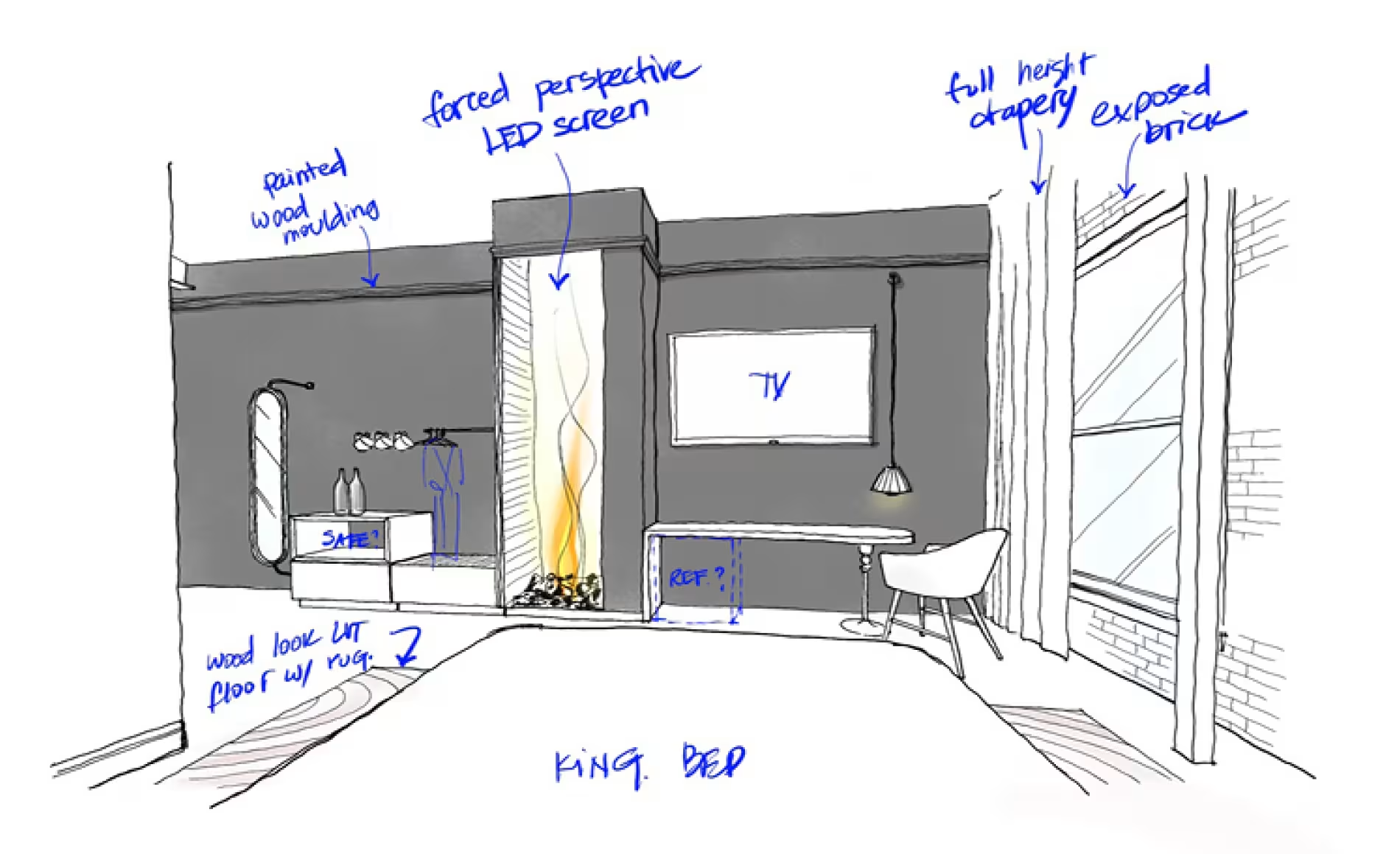
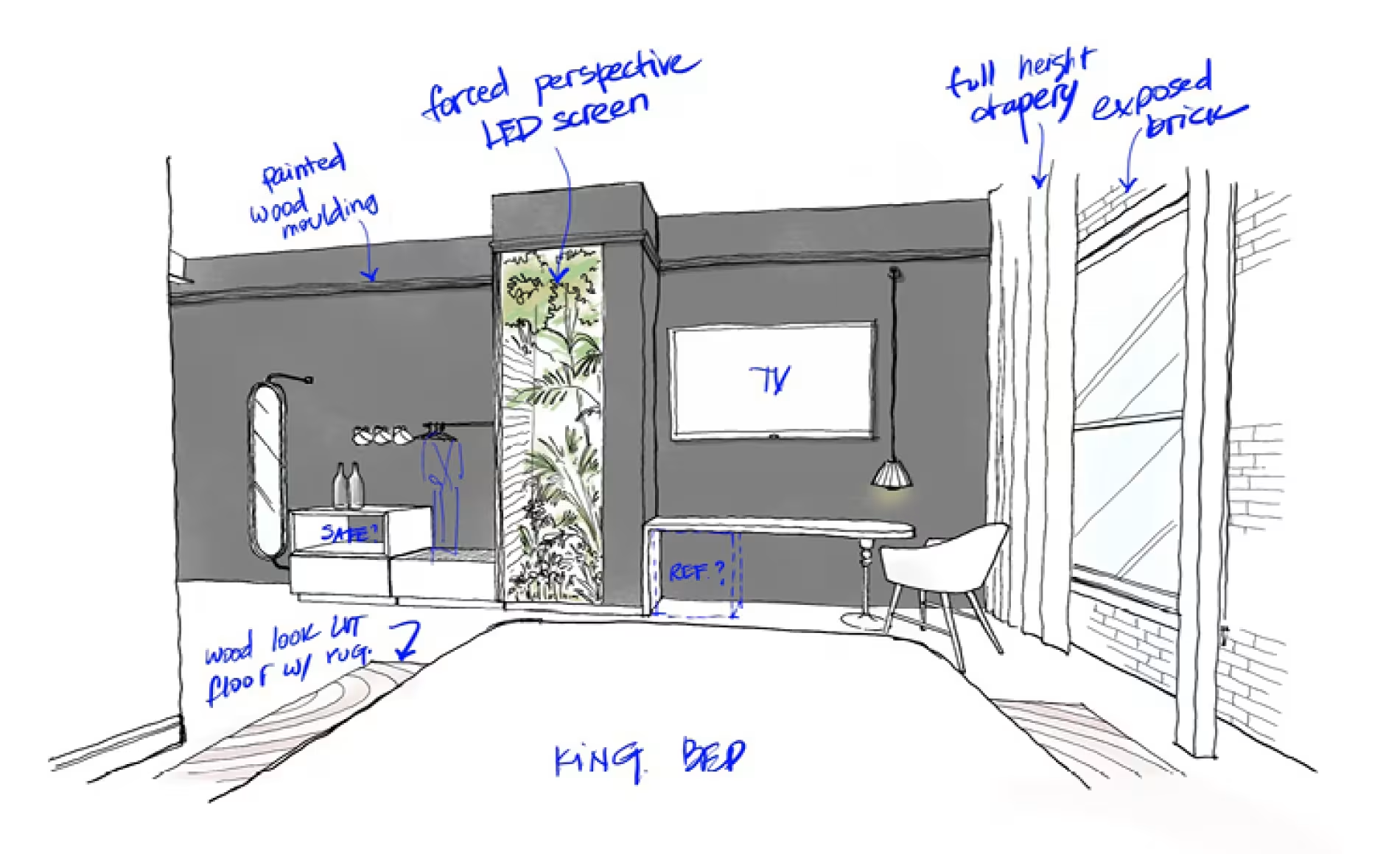
Elena: From a design perspective, the most powerful storytelling experiences feel alive. They don’t feel like an old-fashioned museum exhibit. Technology can support that by layering narrative into the guest journey—through projection, soundscapes, interactive art, digital textile graphics, lighting, or subtle motion-based experiences. It doesn’t have to be spectacle to be memorable. When digital experiences are woven into architecture and interiors, they create moments that are deeply personal and emotionally lasting. The most successful tribal resorts will use technology to amplify authenticity in a way that resonates with guests long after their visit.
Brett: Across the industry, we see a lot of potential in immersive engagement technologies. This includes augmented reality, interactive media walls, personalized digital content, and AI-driven guest engagement. The challenge with this is intentionality. For tribal enterprises specifically, there is also a need to consider how this technology can be used to tell cultural stories. Technology has the potential to elevate cultural identity, but only if it’s implemented with the same discipline as any other infrastructure investment. The question owners should ask is: what is the long-term operational model for this system? Who maintains it? Who updates content? What happens when the vendor changes platforms?