
University of Minnesota – Morrill Hall
Strengthening a historic building into a high-performance campus hub
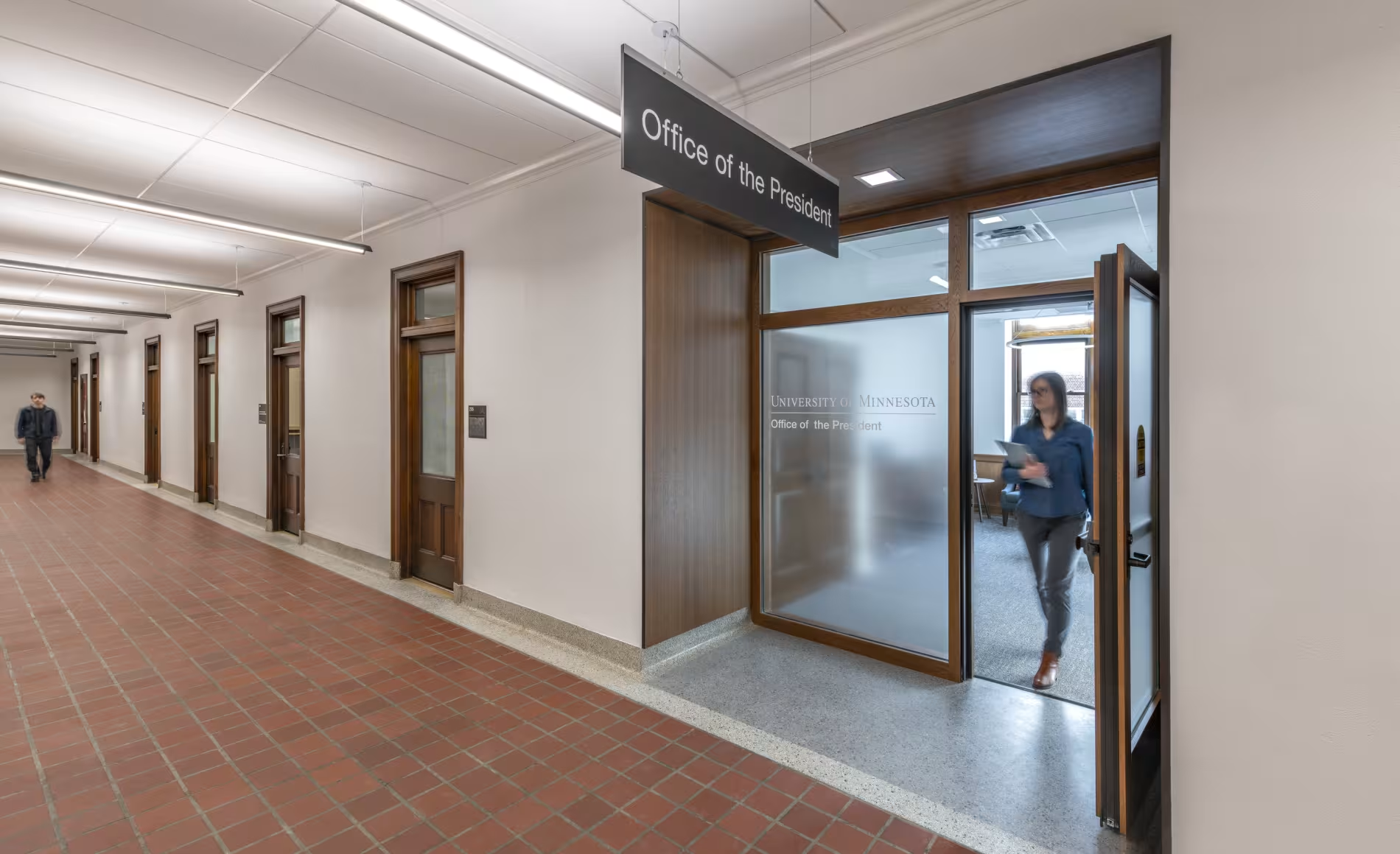
The renovation of the University of Minnesota’s Morrill Hall updates key spaces to better support how the university’s staff work today. Cuningham’s design takes an inefficient, dated administrative space and fosters better collaboration, improves security, integrates modern technology, enhances equitable access, and preserves the building’s historic character and symbolic civic presence on campus.
Primarily targeting the building’s second floor, as well as key ground floor public amenities, Cuningham worked nimbly within the constraints of a more than 100-year-old building. Original materials, legacy mechanical, electrical, and plumbing systems, and limited plenum space required a careful approach; Cuningham partnered closely with the University’s Building Code Department to address these deficiencies in a way that respected the project budget and avoided unnecessary scope expansion.
- Client University of Minnesota
- Market Education
- Services Architecture, Interior Design
- Scope Renovation
- Size 80,000 Square Feet
- Delivery Method Construction Manager at Risk
- Key Project Contacts Jeffrey Mandyck
Legacy, Carried Forward
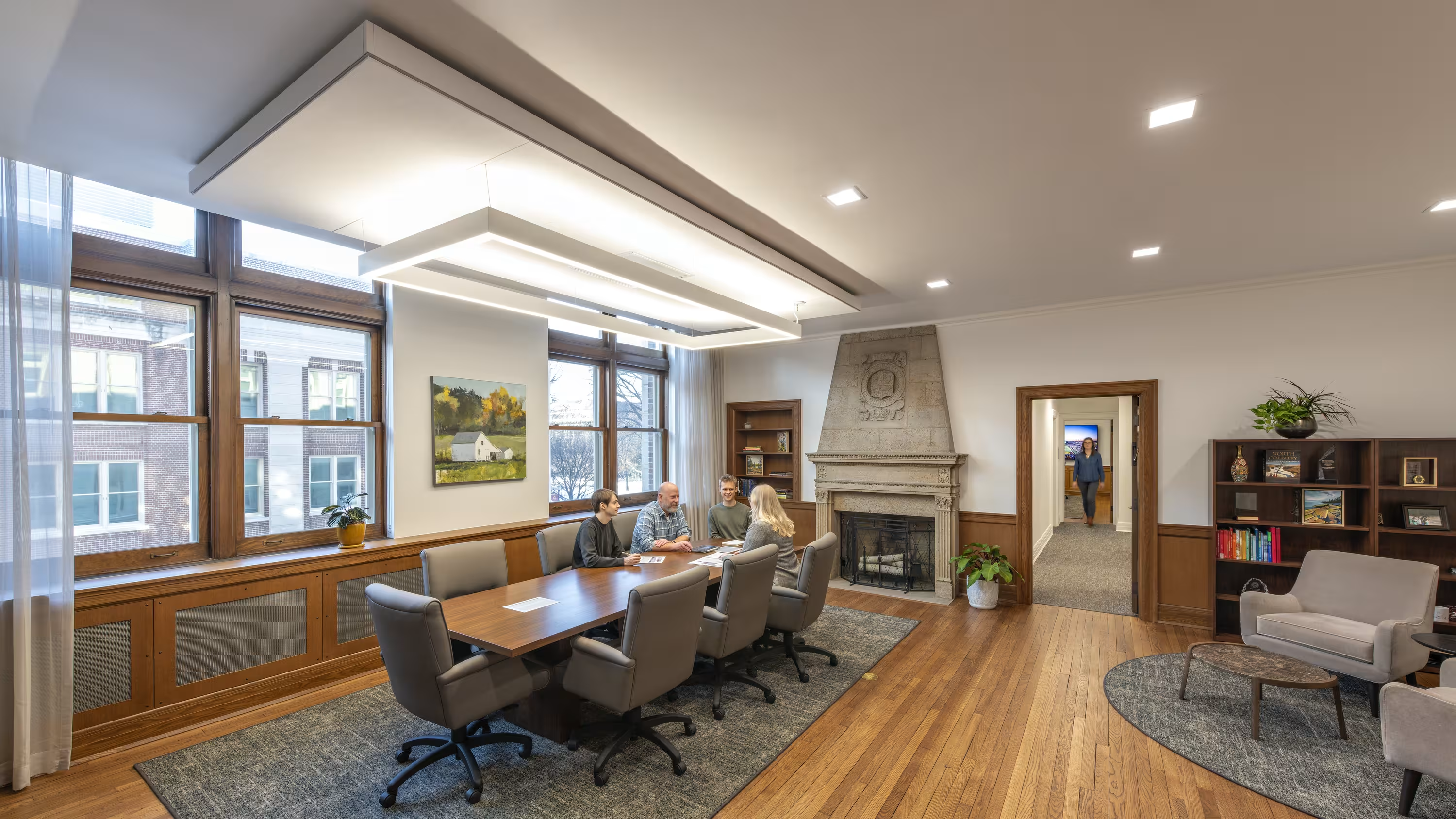
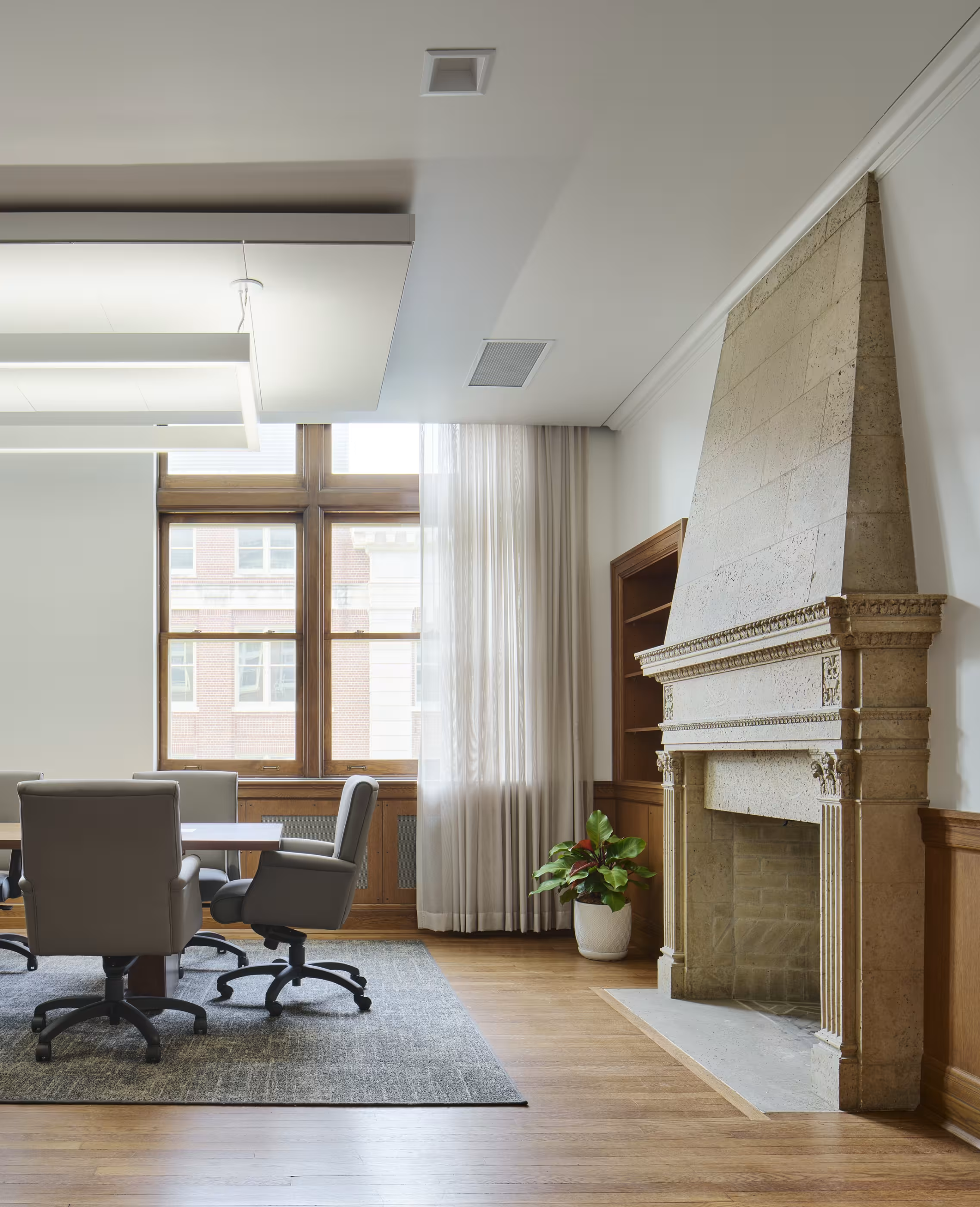
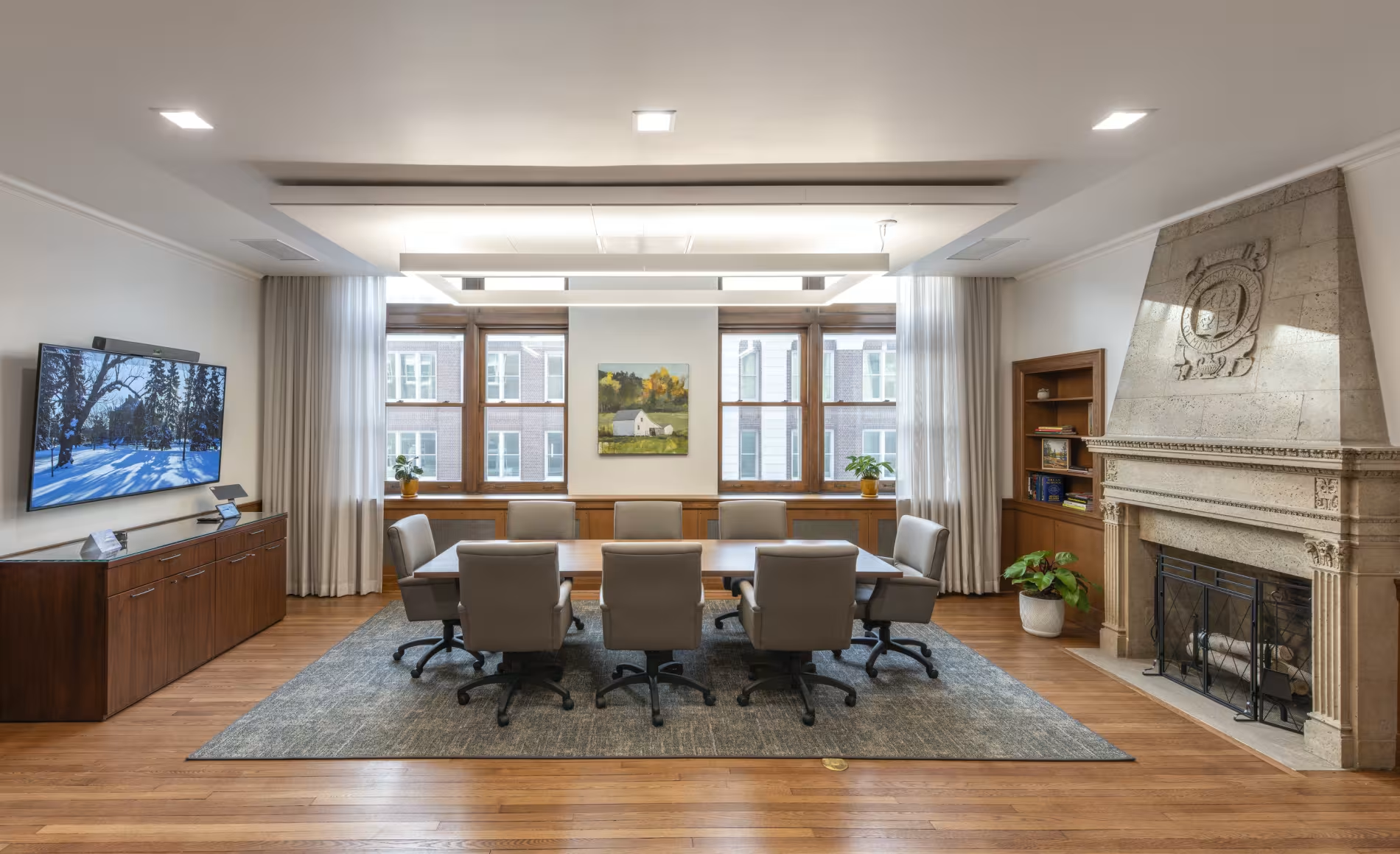
The renovated space retains and celebrates Morrill Hall’s historic character. Authentic materials and finishes are paired with strategically preserved elements, such as original windows and trim, wood wainscoting, built-in shelving, and a carved stone fireplace—creating a connection to the building’s past and lending a gravity appropriate to the university’s leadership offices.
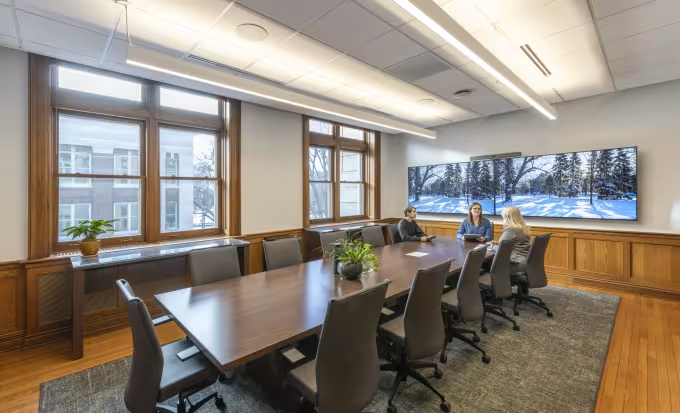
These historic elements are intentionally contrasted with clean-lined furniture, neutral color palettes, and modern lighting to create a refreshed environment. Large windows maximize daylight and visual connection to the exterior, reinforcing a sense of openness, while thoughtful planning and glazing strategies address privacy and security considerations. Acoustic control and integrated technology support confidential conversations, virtual meetings, and day-to-day operations.
The renovation also advances inclusivity and wellbeing through targeted amenity upgrades. Outdated gendered restrooms on the second floor are replaced with universally accessible, single-occupancy restrooms and a dedicated wellness and mother’s room. Similar accessibility improvements to the gendered restrooms at the building’s primary public entry further enhance equitable usage.
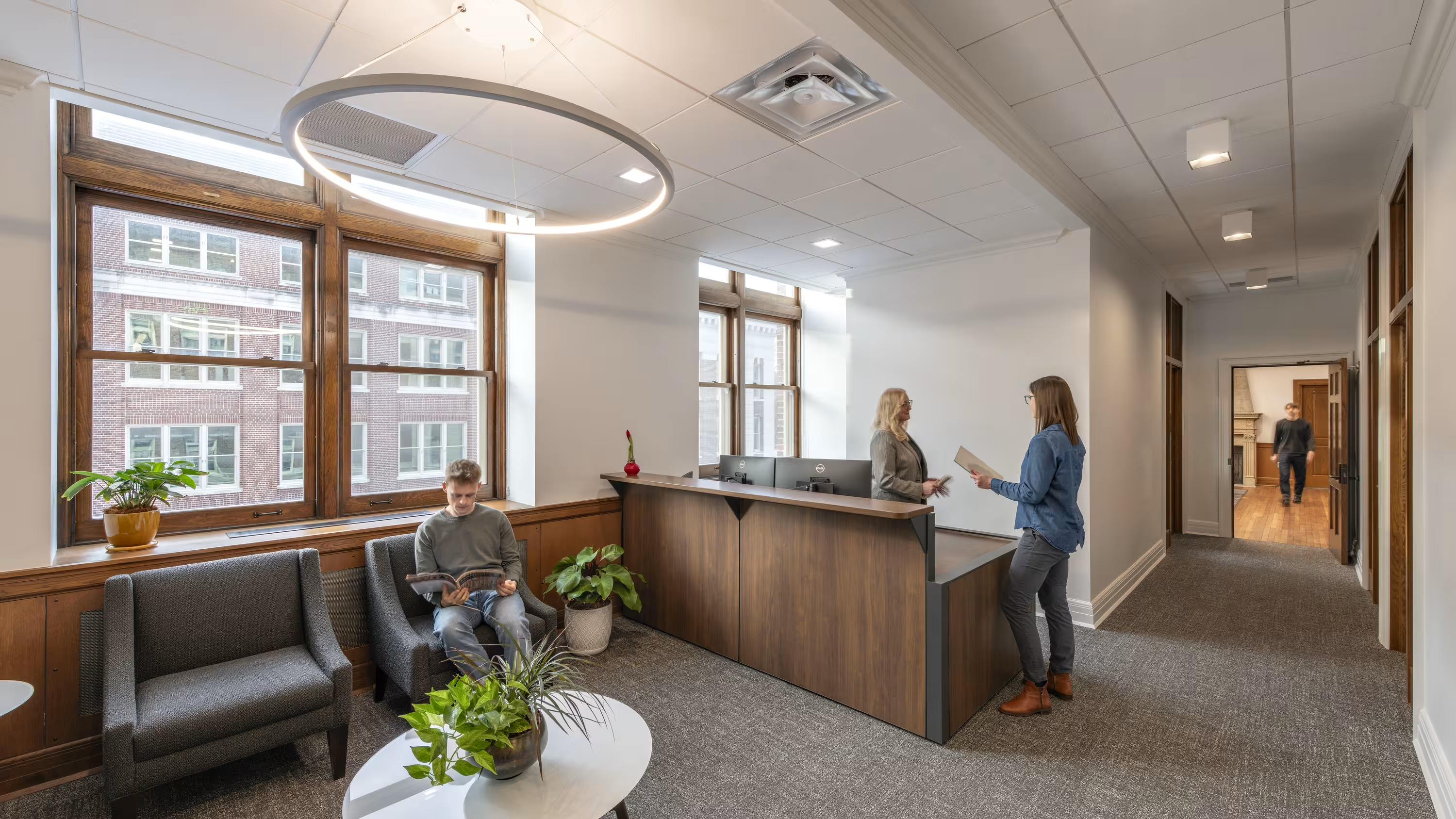
Spatial reorganization improves flow and clarity throughout the suite, while flexible planning enables areas to be broken down by function as needed—without compromising access to adjacent spaces. The result is a highly-functional environment that feels welcoming and lived-in, reflecting both the dignity of Morrill Hall’s classical architecture and the evolving needs of the University’s mission-based leadership.