
Warrensburg, Missouri

Humphreys Building Renovation

Turning a dark, closed-off structure into an interconnected hub for academic life

The transformation of the University of Central Missouri’s Humphreys Building represents a foundational investment in the university’s future. Blending historic preservation and state-of-the-art technology integration, the remodel more than doubles existing collaboration space, improves faculty-student interaction, and strengthens the building’s relationship to the rest of campus — physically, visually, and socially.

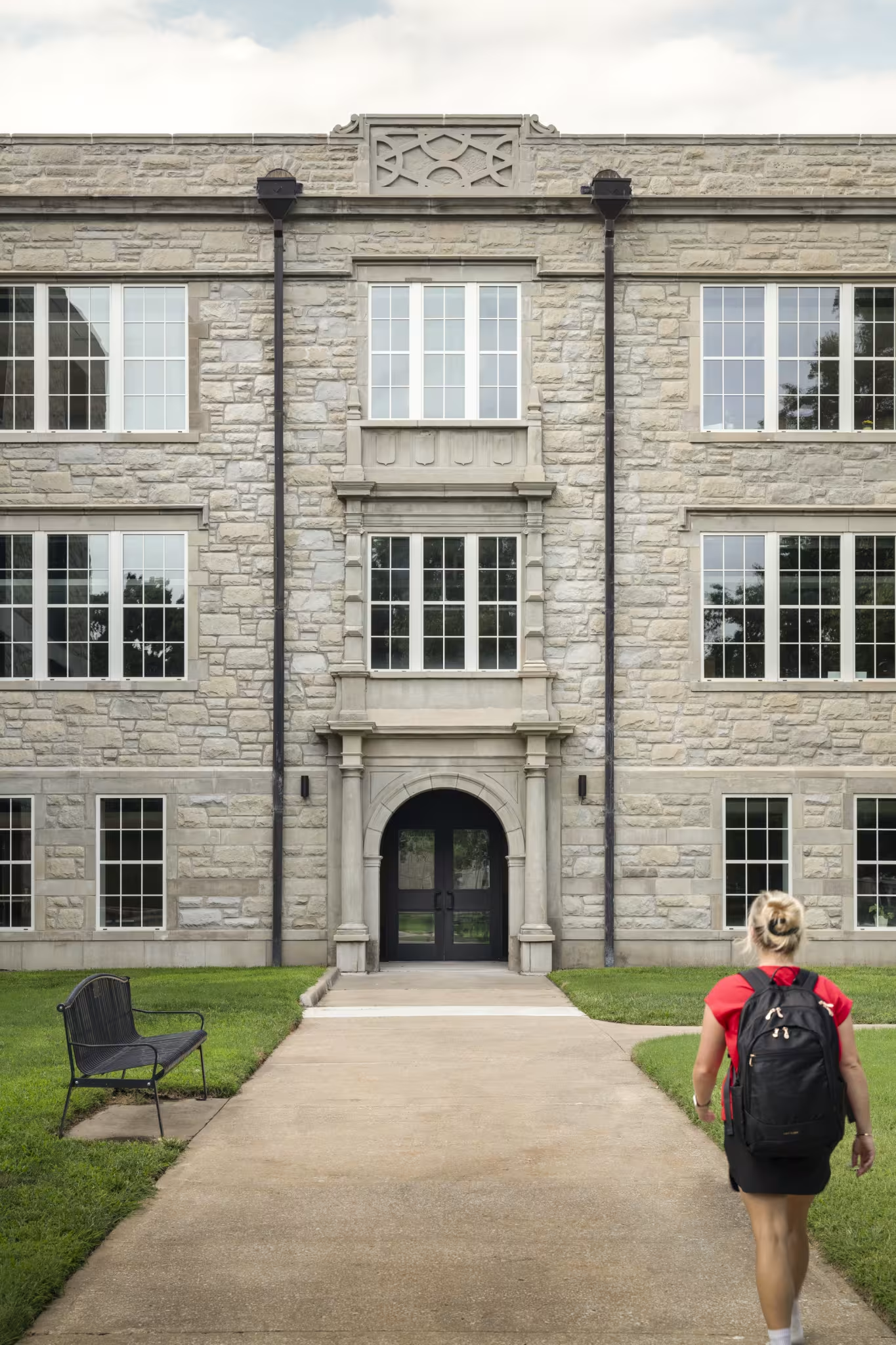
The existing Humphreys Building comprised two 20th-century buildings joined by a 1968 addition. Minor renovations over the years undercut the usefulness of this aging, mid-century addition, and the space suffered from disjointed circulation and understated entrances. 

Partnering with Hollis+Miller, Cuningham’s renovation addresses these limitations by preserving the 110-year-old wings and reshaping the 60s-era core to facilitate movement, daylight, and collaboration, ultimately reestablishing the building as a critical campus connection point rather than an obstacle to be circumnavigated. 
  • Client University of Central Missouri
  • Market Education
  • Services Architecture
  • Scope Renovation
  • Size 86,000 Square Feet
  • Delivery Method Design-Bid-Build
  • Key Project Contacts Jeffrey Mandyck
Image
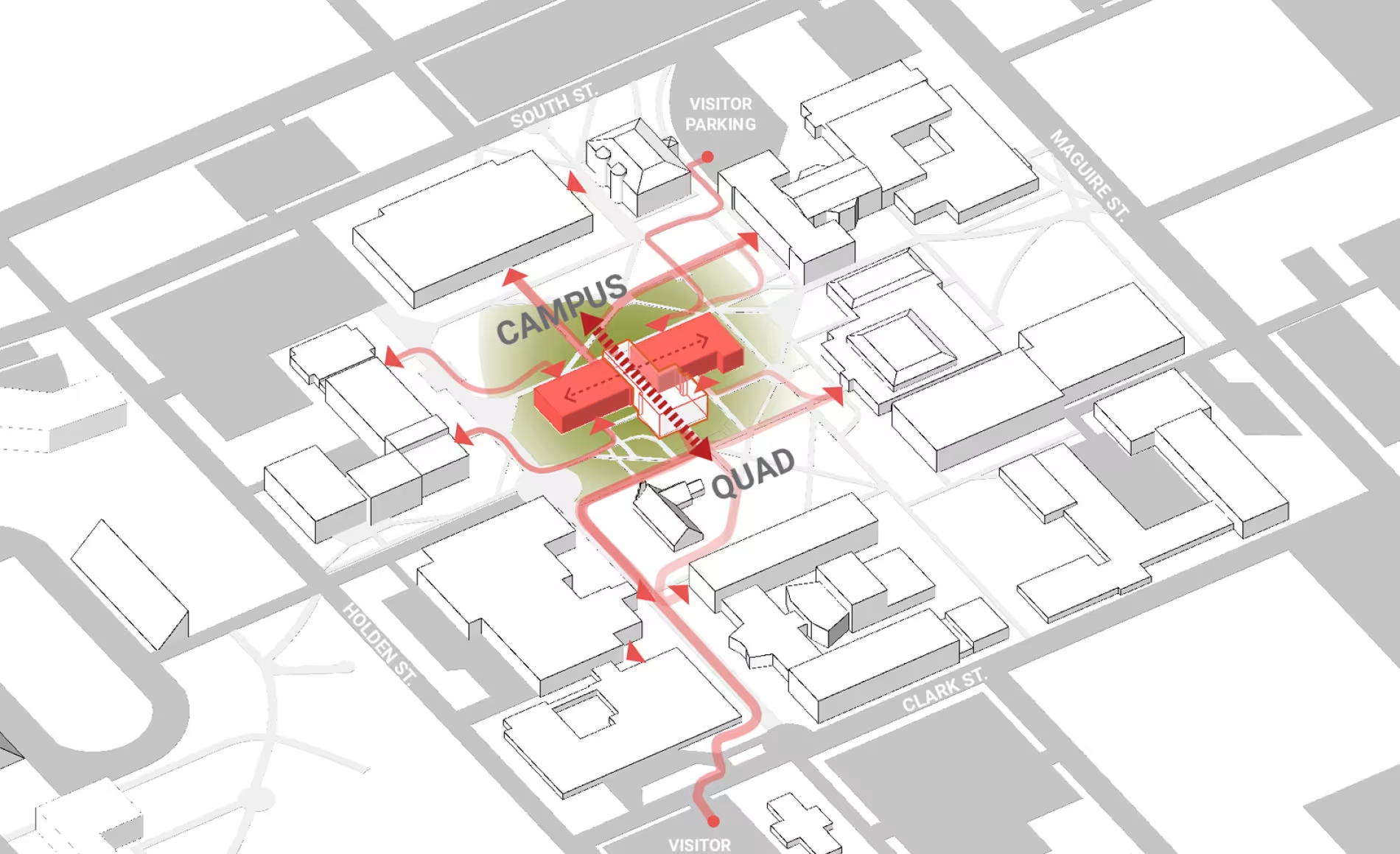
Humphreys Building Circulation Paths
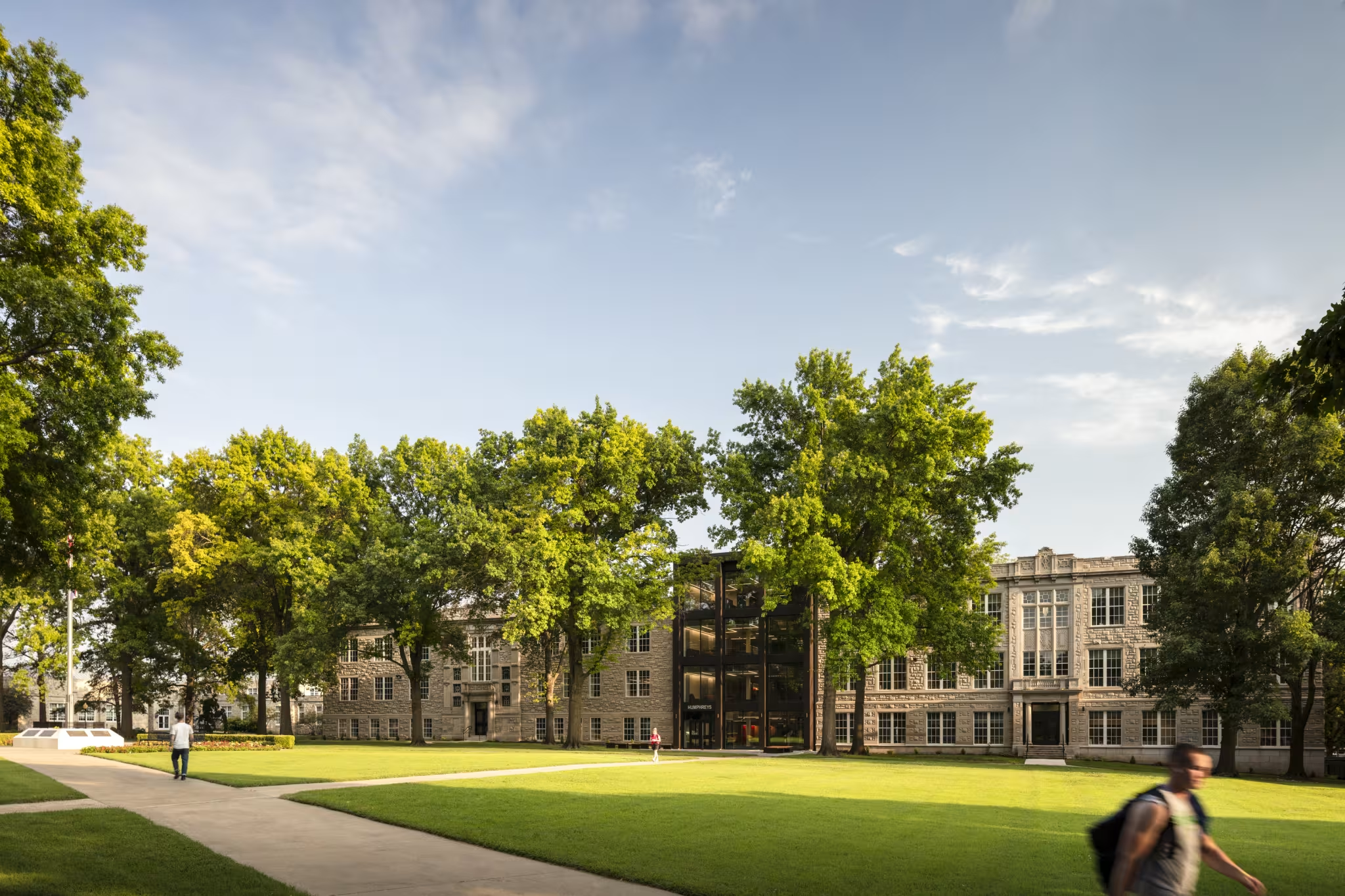
The remodel reestablishes Humphreys as a critical campus connection point rather than an obstacle to be circumnavigated. Central to reimagining is a new ground floor that opens views and fosters movement between the north and south quads. 
Image
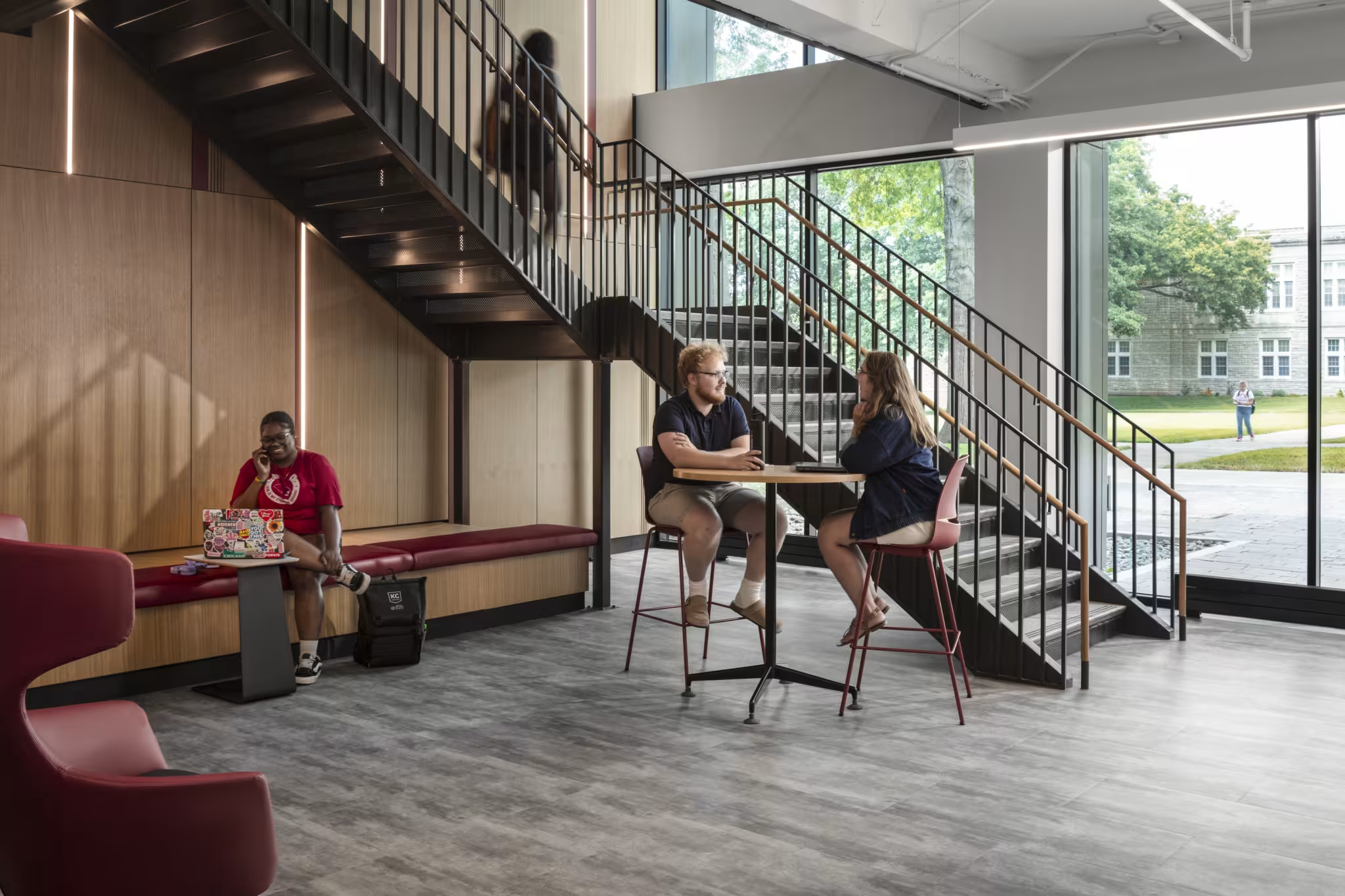
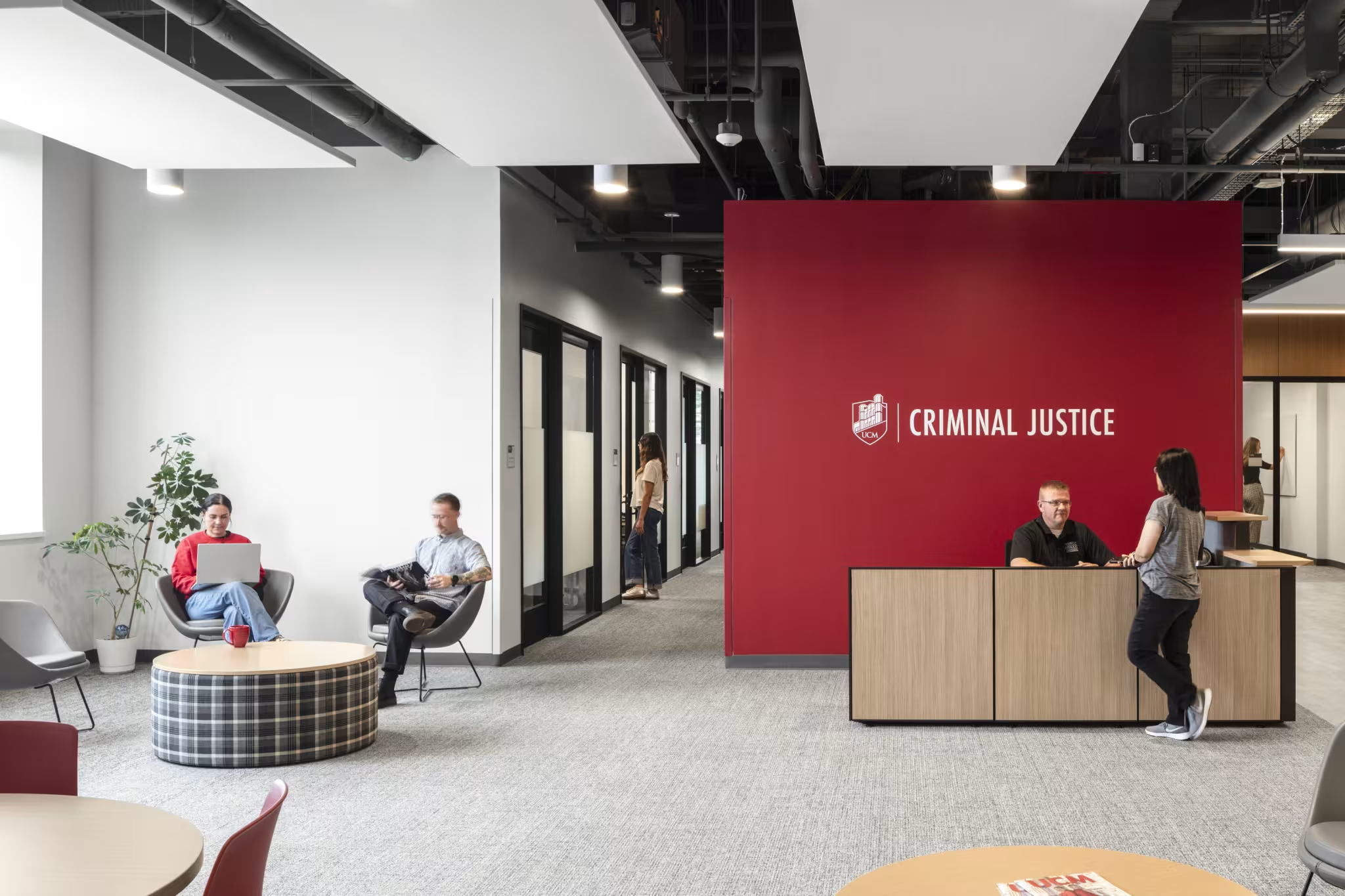
Humphreys building interior
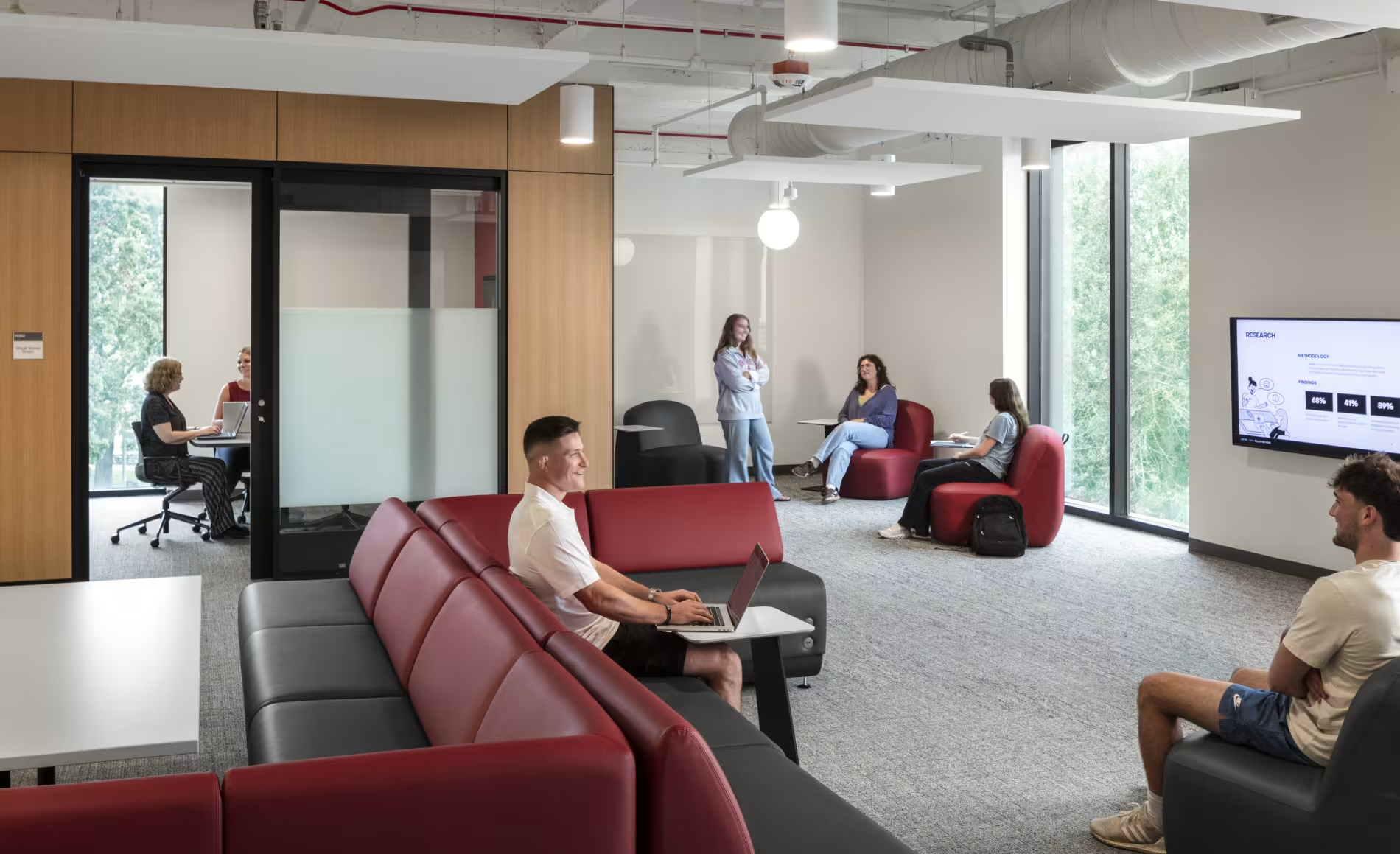
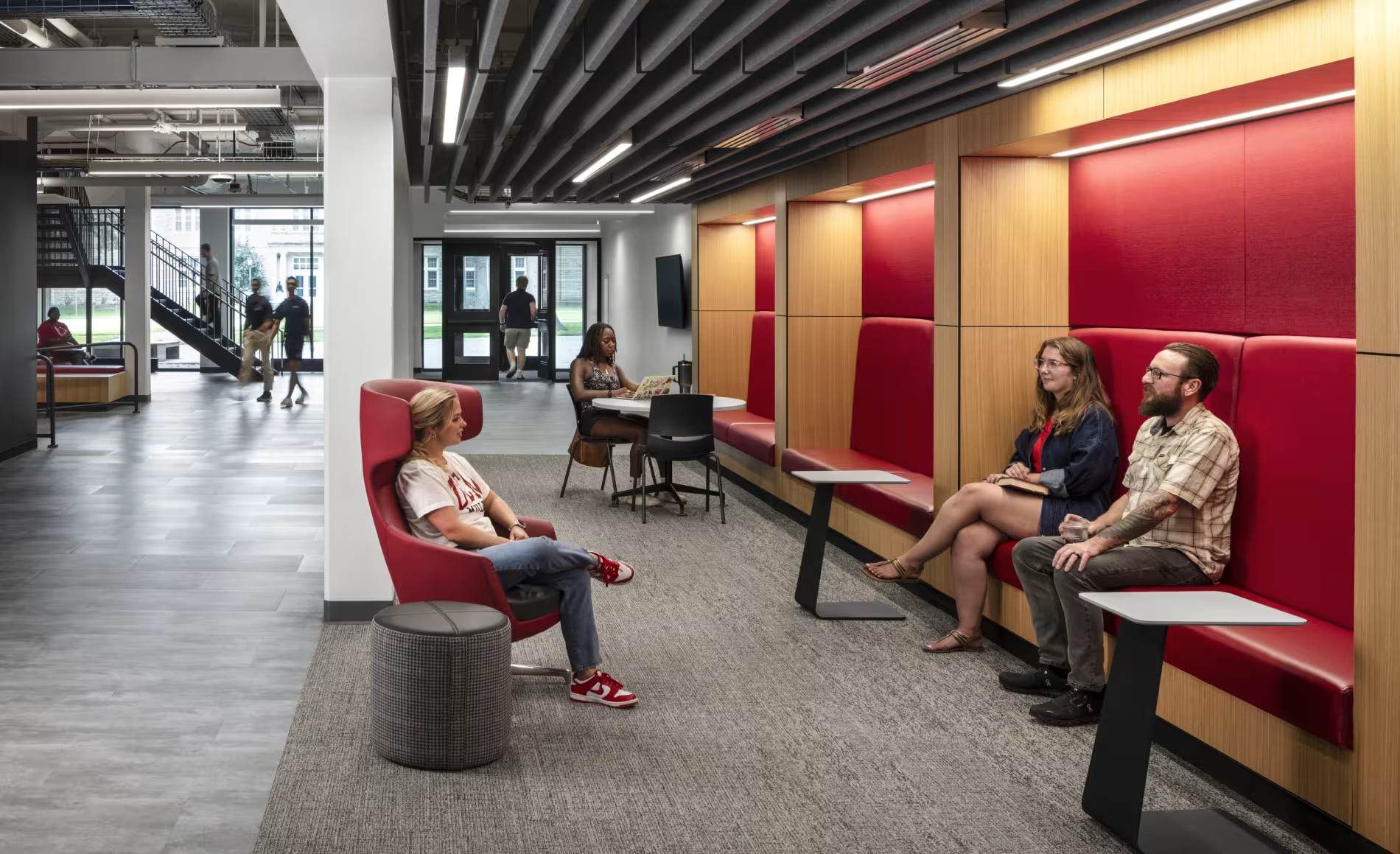
An interior palette of warm wood tones and soft whites is strategically offset by bold accents of red and charcoal, energizing the space and aligning with the University’s brand identity. 
Image
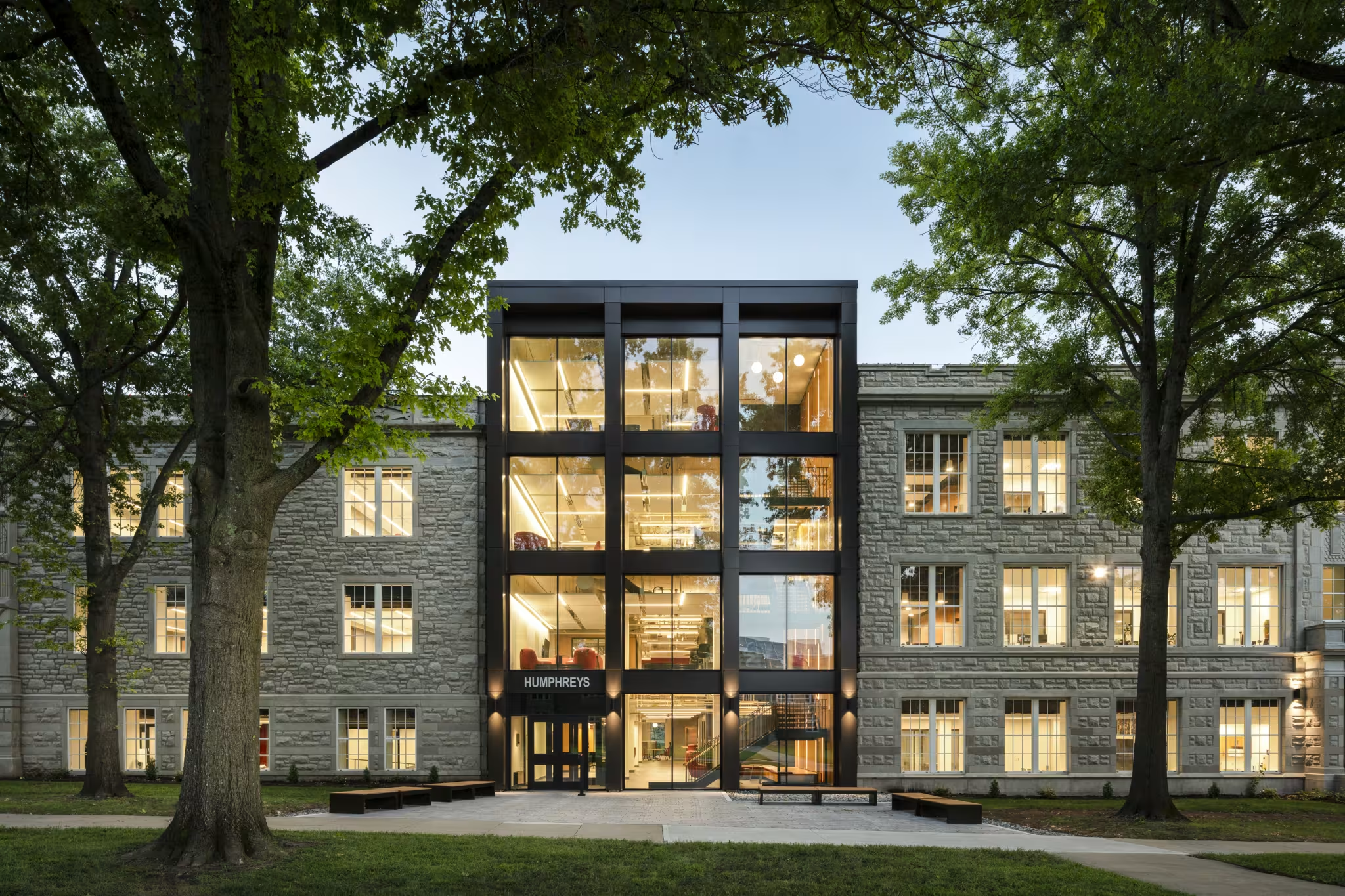
Humphreys building north side exterior
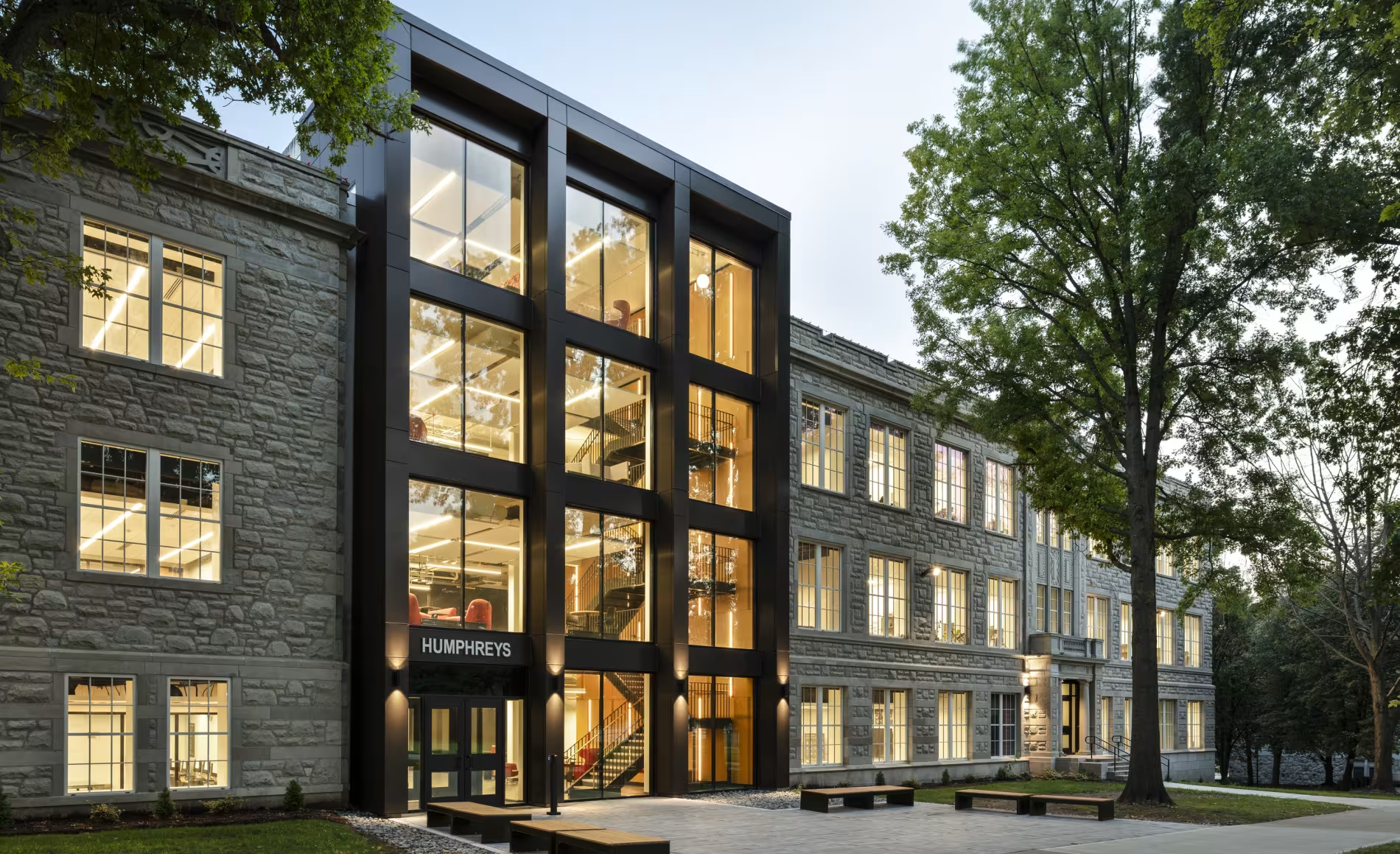
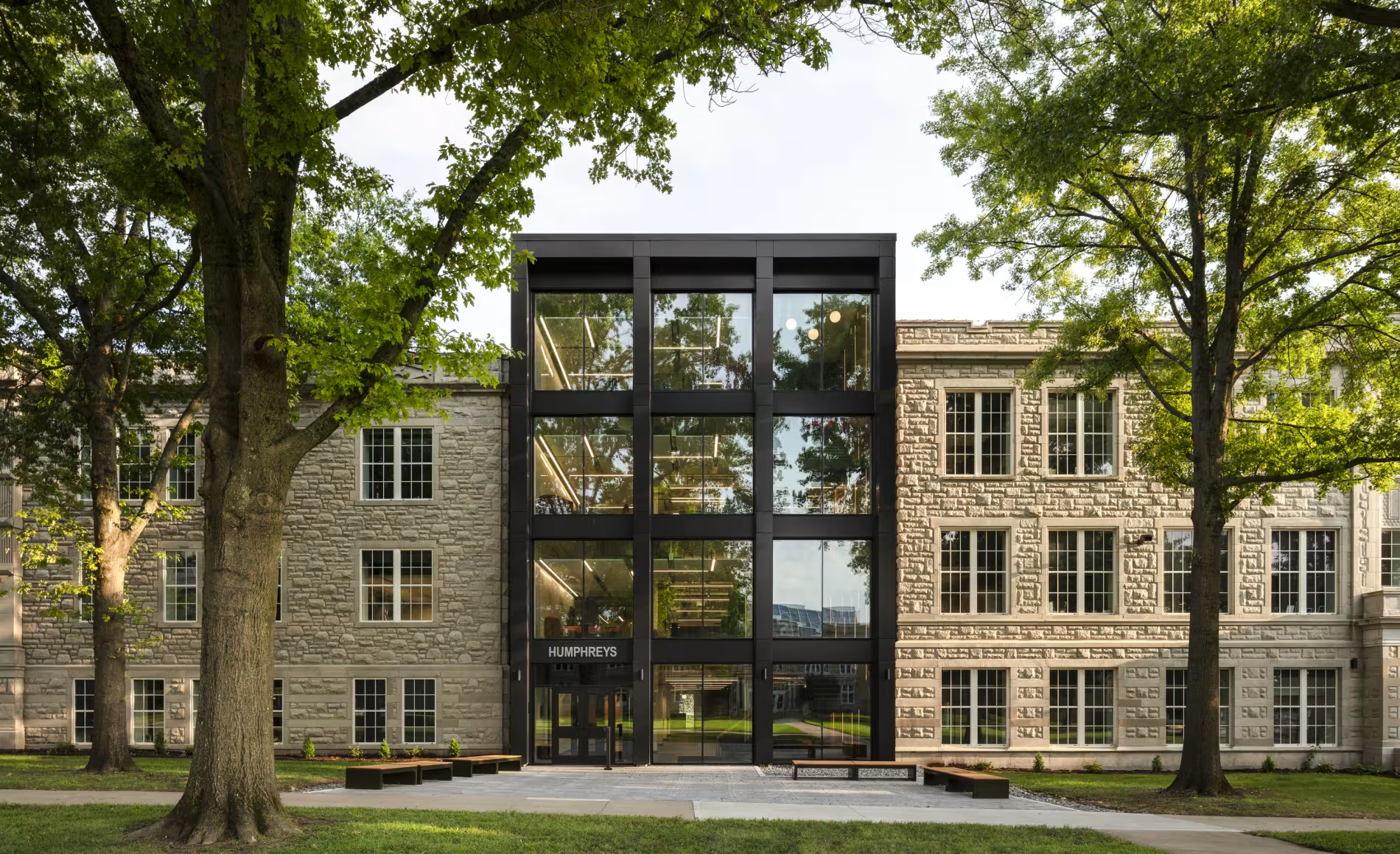
On the north side, the addition of centrally located, transparent entrance with expansive glazing invites students and faculty into the space and offers passersby a glimpse of the activity within. 
Image
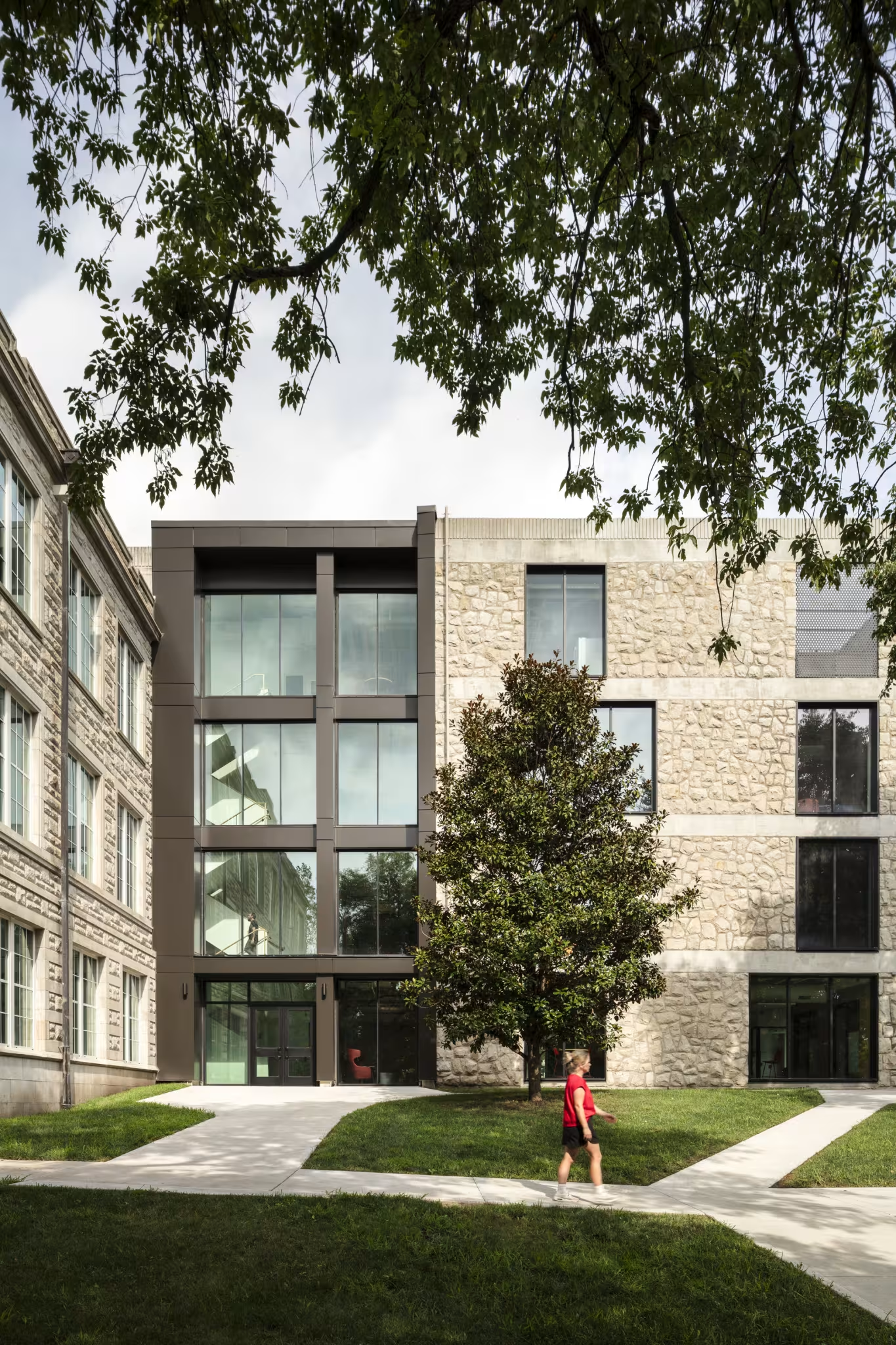
Humphreys building south side exterior
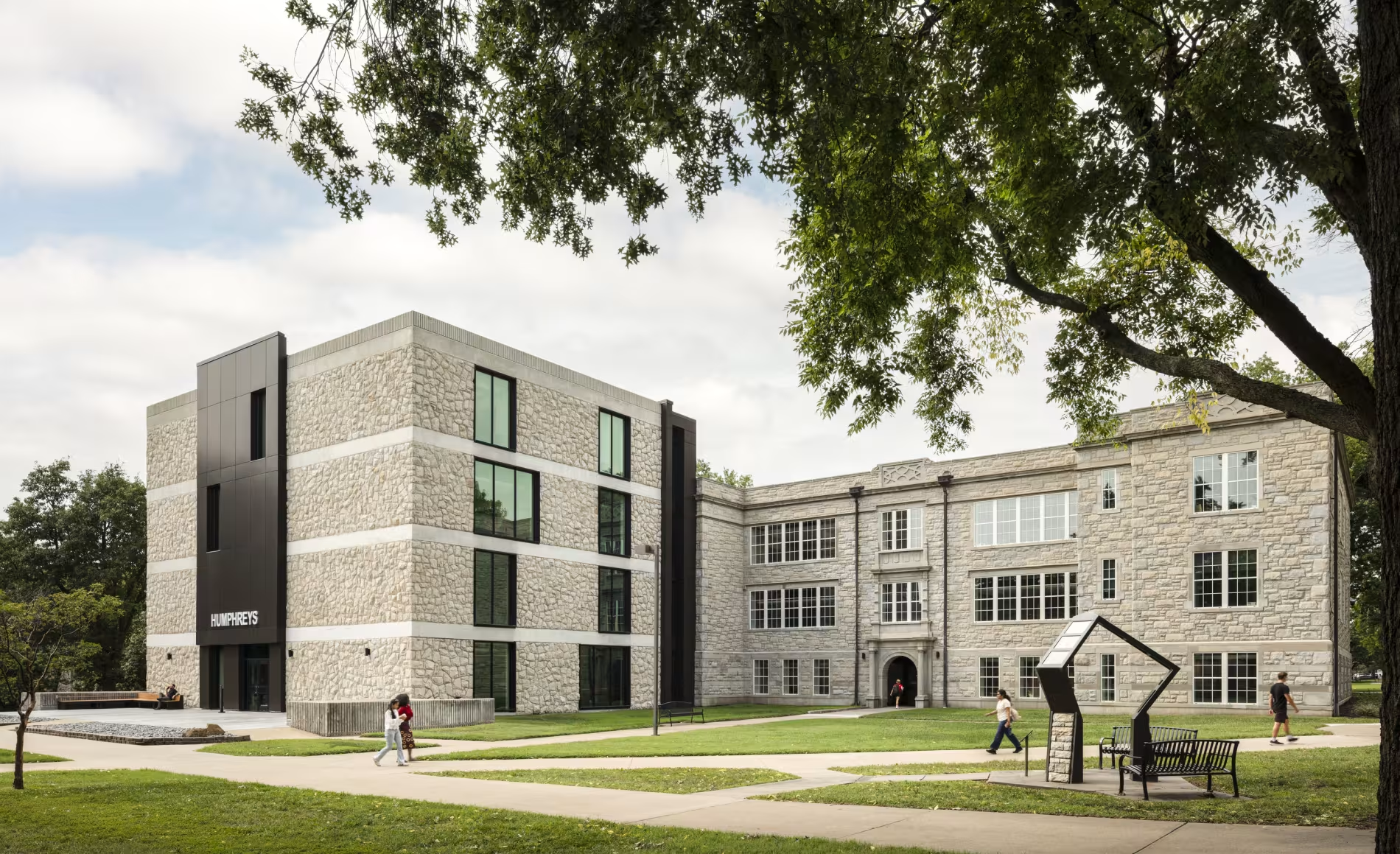
On the south facade, what was once a monolithic stone wall with a narrow, undistinguished entry point is given material contrast, additional windows, and a landscaped exterior patio that establishes a more welcoming entry sequence.
Image
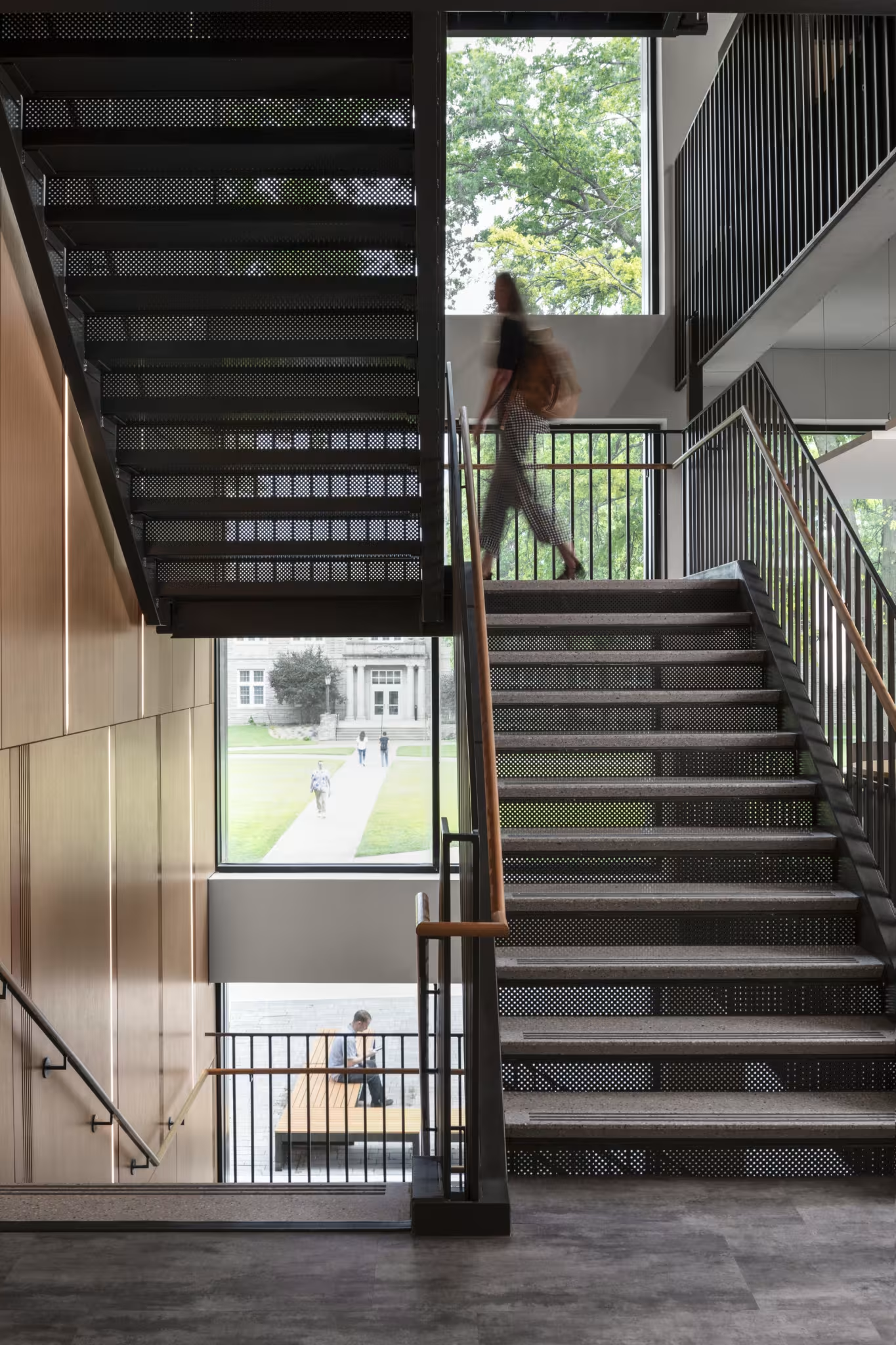
Humphreys building interior daylight
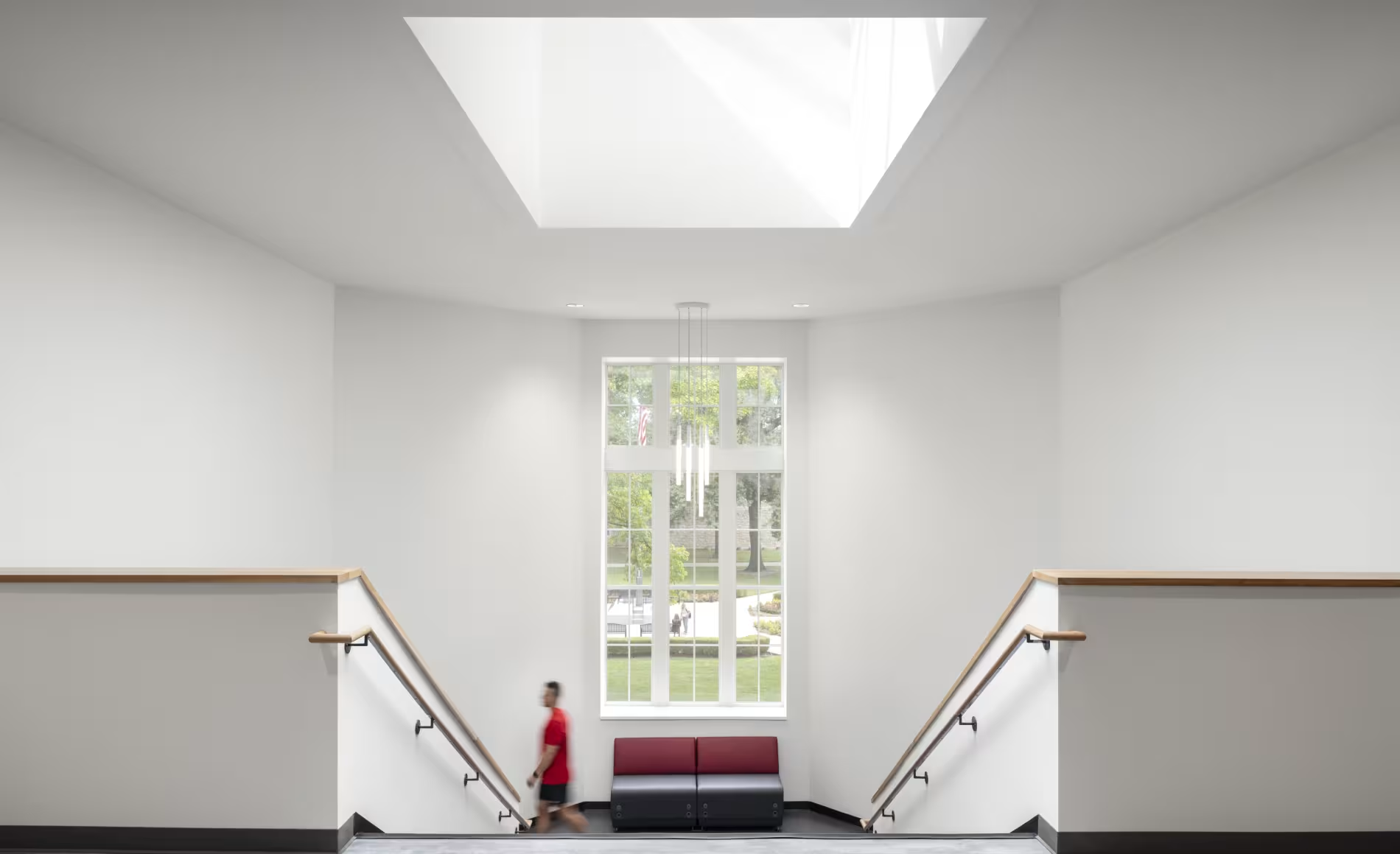
A series of strategic architectural interventions reinforce Humphreys Building as a hub for collaboration; walls are removed, ceiling heights raised, and historical window openings restored — flooding interior spaces with daylight and increasing airflow. 
Image
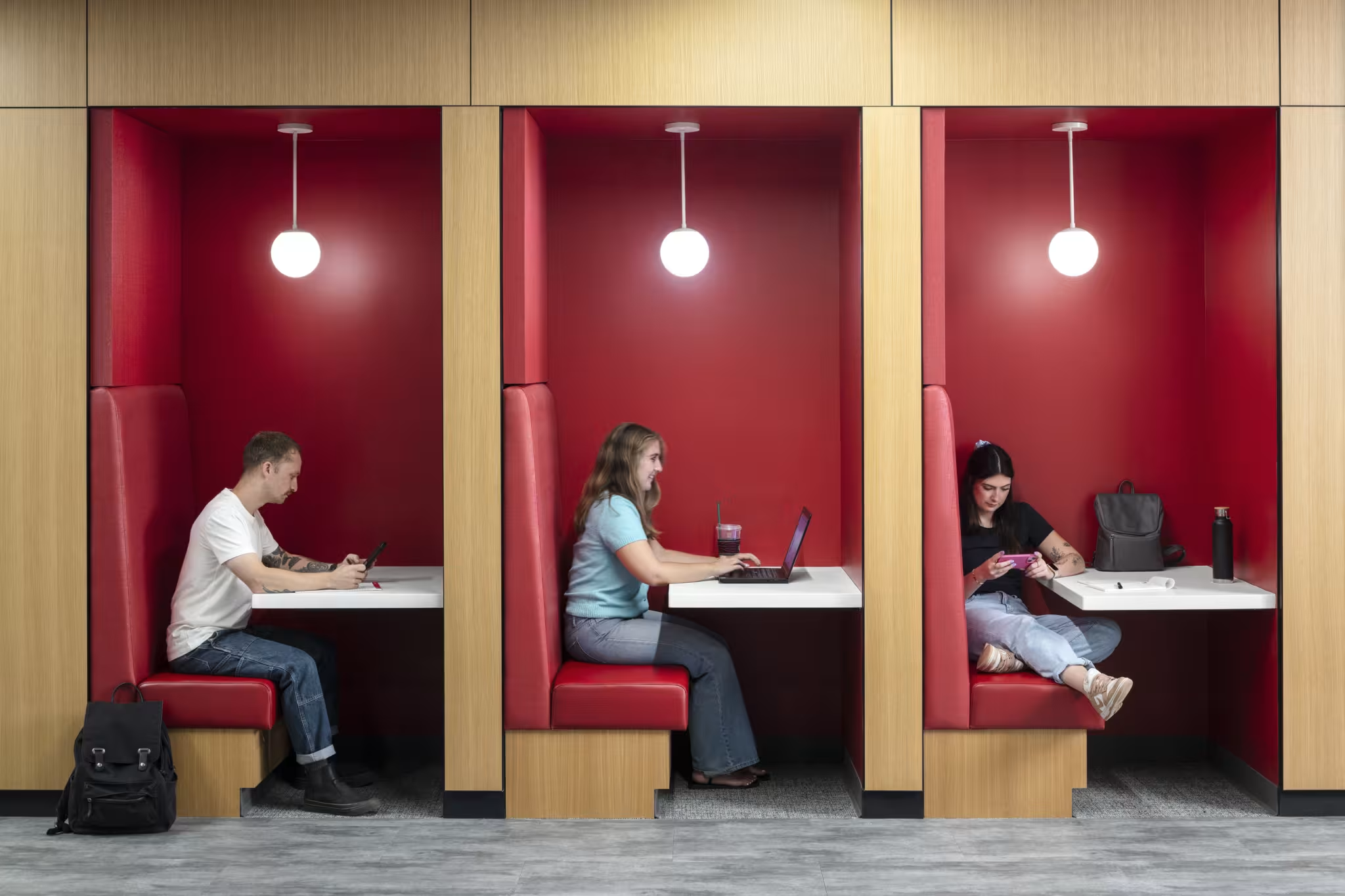
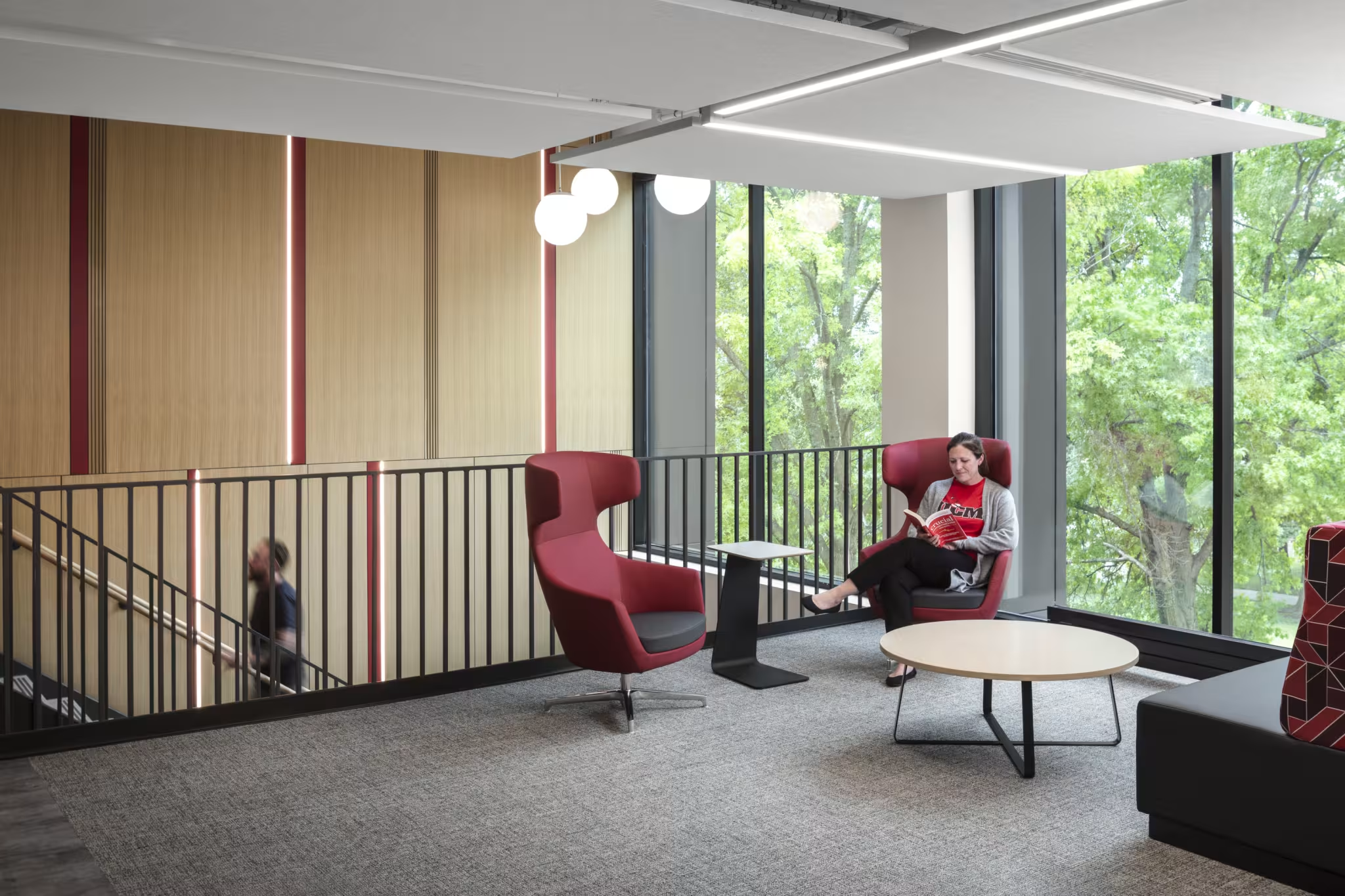
Humphreys building collaboration spaces
The design accommodates a wide range of programmatic needs with a mix of private focus areas and conference rooms that support individual work and flexible seating and lounge-style furniture that encourages both structured and impromptu collaboration.
Image
Humphreys building Esports
The design equips the building to support contemporary learning and research, while encouraging collaboration among previously siloed departments. The building houses classrooms and offices for Criminal Justice, ROTC, McNair Scholars, the Safety Center, Physical Education, Counseling, Testing Services, Online and Learning Engagement, and Health Promotion, as well as a new Esports facility. 
Image
Humphreys building north side exterior
Circulation paths are clearly expressed by distinct ceiling elements, guiding movement while highlighting the building’s varied uses. Additionally, mechanical systems have been completely upgraded to boost efficiency and reduce environmental impact; the project is designed to LEED Silver certification standards.